
Why Non-Invasive Approaches Are Gaining Attention
Mental health care has made major strides in recent years, with new treatment options giving people hope when traditional methods fall short. While medications and talk therapy remain cornerstones of care, many individuals do not find relief through these routes alone. This has fueled interest in non-invasive treatments—options that are safe, effective, and free from the systemic side effects that often accompany medication.
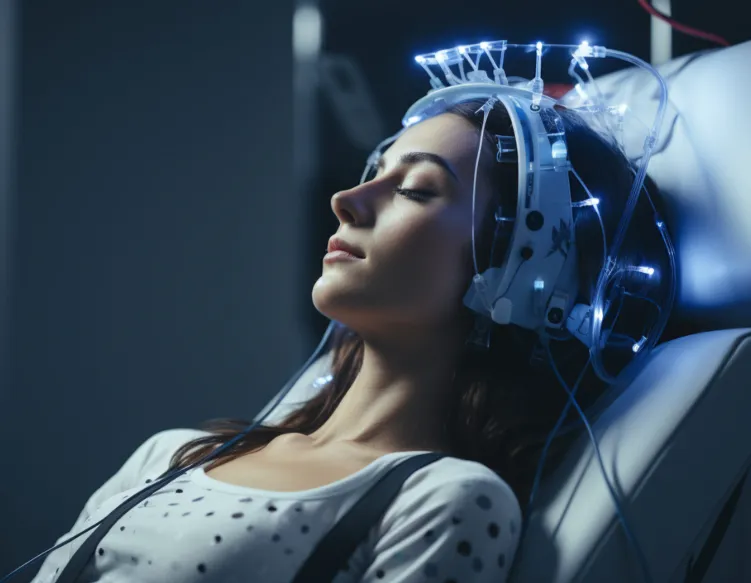
Transcranial Magnetic Stimulation (TMS) therapy is one of the most promising non-invasive approaches. By using targeted magnetic pulses to stimulate areas of the brain associated with mood regulation, TMS is helping people overcome depression and related conditions when other options have failed.
What Sets Non-Invasive Treatments Apart
Unlike treatments that rely on altering the body’s overall chemistry, non-invasive approaches focus directly on the brain without the need for surgery or sedation. TMS, for example, delivers focused stimulation to the regions of the brain that may be underactive in individuals with depression. This precision makes it both effective and well-tolerated.
Key benefits include:
- Minimal side effects compared to medication.
- No downtime—patients can return to normal activities right after a session.
- Proven results for those with treatment-resistant depression.
- Flexibility to combine with therapy or lifestyle changes for a holistic approach.
A Safer Alternative for Many Patients
One of the greatest advantages of non-invasive treatments is safety. Many individuals stop taking antidepressants because of intolerable side effects such as weight changes, fatigue, or digestive issues. TMS therapy avoids these problems by targeting only the brain regions involved in mood regulation.
The result is an effective therapy that doesn’t compromise physical well-being, making it a strong choice for those seeking alternatives to medication.
Beyond Depression: Broader Applications
While TMS is most commonly associated with treating depression, its benefits extend beyond that. Research and clinical practice show it can also support individuals living with anxiety, OCD, PTSD, and other mental health conditions. This versatility makes TMS an important tool in addressing the wide range of challenges people face in their recovery journeys.
Building Long-Term Balance
Another overlooked benefit of non-invasive treatments is their potential for lasting impact. By stimulating neuroplasticity—the brain’s ability to form new connections—TMS helps patients move away from patterns that fuel depression and begin creating healthier mental pathways.
When combined with therapy, wellness practices, and community support, this can set the stage for long-term stability and improved quality of life.
Raising Awareness Through Effective Outreach
Despite its effectiveness, many people remain unaware of TMS therapy or mistakenly assume it is invasive or experimental. Education is critical to correcting these misconceptions and showing individuals that safe, non-invasive options exist.
Specialized TMS therapy for depression marketing helps providers share this message in a clear, compassionate way. By highlighting the unique benefits of non-invasive treatments, clinics can connect with those searching for alternatives and give them the confidence to explore new options.
A Future Defined by Choice and Innovation
Non-invasive treatments like TMS represent more than just a new technology—they symbolize a shift in mental health care toward patient choice, safety, and effectiveness. For individuals who have struggled with medications or felt stuck in their recovery, these therapies provide a new pathway forward.
As awareness grows, so does hope. By expanding access to non-invasive treatments, the mental health field is moving closer to a future where more people find the relief they need without compromise.
