
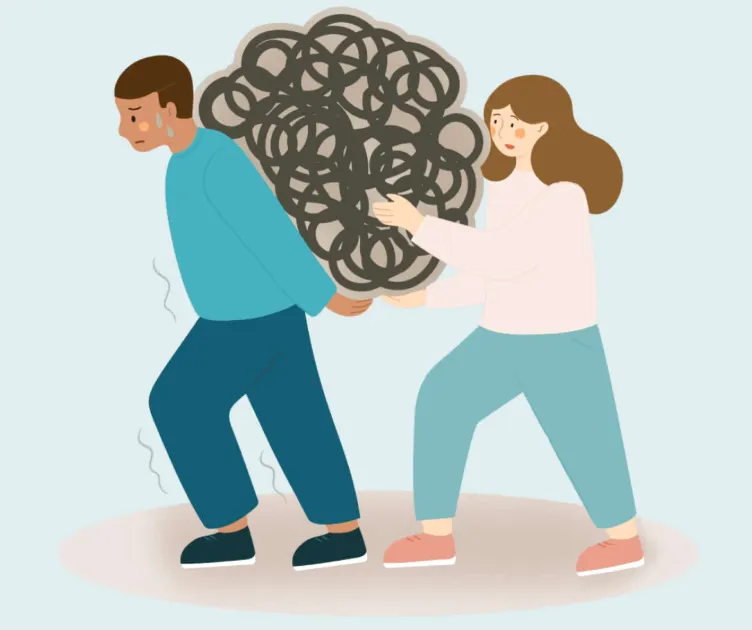
Why Men Often Struggle in Silence
Despite growing awareness around mental health, many men continue to face intense stigma when seeking support. Cultural expectations, social pressures, and long-standing gender norms all contribute to an environment where men may feel they must stay silent about their emotions. This silence can delay treatment, worsen symptoms, and prevent men from getting the care they deserve. According to the National Institute of Mental Health (NIMH), men are significantly less likely than women to receive mental health treatment despite experiencing high rates of depression, anxiety, and substance use: https://www.nimh.nih.gov/
Understanding where this stigma comes from—and how to reduce it—is essential for creating healthier communities and saving lives.
The Roots of Mental Health Stigma in Men
Traditional Masculine Expectations
From a young age, many boys are taught to be strong, tough, and emotionally self-reliant. Phrases like “man up,” “don’t cry,” or “be strong” send the message that vulnerability is a weakness. These expectations can follow men into adulthood, making it harder for them to express emotions or seek help.
Fear of Judgment
Men often worry that admitting emotional struggles will make them appear weak or incompetent. Fears of being judged by peers, partners, or family members can create a barrier to seeking support.
Cultural and Generational Differences
In many communities—and especially among older generations—mental health care was historically stigmatized or misunderstood. These attitudes can still influence how men perceive therapy or treatment.
Limited Emotional Vocabulary
Many men were never taught how to identify or articulate their emotions. When feelings become overwhelming, they may not know how to communicate them, leading to withdrawal, irritability, or coping through harmful behaviors.
How Stigma Impacts Men’s Well-Being
Delayed Treatment
When men ignore early signs of mental health issues, conditions like depression, anxiety, PTSD, or substance use disorders can worsen over time. Early intervention leads to better outcomes, but stigma pushes many men to wait until they’re in crisis.
Increased Substance Use
Instead of seeking help, some men turn to alcohol or drugs to numb difficult emotions. This pattern increases the risk of dependency and creates a dangerous cycle.
Relationship Challenges
Unaddressed mental health struggles can impact communication, emotional connection, parenting, and overall relationship satisfaction.
Higher Suicide Risk
Men are statistically more likely to die by suicide, often due to untreated mental health conditions and reluctance to seek help.
Breaking Down Barriers and Changing the Narrative
Normalize Conversations About Emotions
Talking openly about mental health reduces stigma. When men hear others share their experiences, they’re more likely to feel safe doing the same.
Encourage Healthy Vulnerability
Vulnerability is not weakness—it’s courage. Supporting open emotional expression helps men build resilience and strengthen relationships.
Highlight Positive Examples
Seeing male athletes, actors, or leaders discuss their mental health can empower others to seek help without shame. Representation matters.
Provide Education
Understanding symptoms, coping tools, and available support options helps men recognize when they need help—and feel confident seeking it.
Create Safe, Non-Judgmental Spaces
Whether in families, workplaces, or friendships, men need spaces where they can express themselves without fear of criticism or rejection.
Why Specialized Treatment Matters
Programs tailored specifically for men take into account the unique challenges they face. Facilities like men’s mental health treatment centers offer:
- Therapists trained in male-specific emotional patterns
- Peer groups where men feel understood
- Tools for processing anger, shame, or stress
- Support for substance use linked to emotional suppression
- Healthy models of communication and vulnerability
These programs create environments where men can heal without the pressure of appearing “strong” or “tough.”
How Men Can Begin Seeking Help
Start Small
Talking to a trusted friend, doctor, or therapist is a powerful first step.
Challenge Stigma Internally
Remind yourself that seeking help is a sign of self-awareness and strength—not failure.
Explore Treatment Options
Outpatient therapy, support groups, or specialized programs can all provide meaningful support.
Build Emotional Skills
Learning how to recognize and express emotions helps men manage stress and build healthier relationships.
You Deserve Support Without Judgment
Every man deserves to feel understood, supported, and safe seeking help. Breaking stigma doesn’t happen overnight, but every honest conversation, small act of vulnerability, and willingness to explore treatment is a step toward healthier futures. If you or someone you love is ready to begin healing, men’s mental health treatment centers can provide guided support, tools for emotional strength, and a compassionate environment where men can thrive.
