

Rome is more than a destination—it’s where tradition, passion, and cuisine converge at every corner, from street markets to trattorias, making the city a feast for the palate and the soul.
Markets that are the heart of the city
Start exploring Rome’s heart—its local markets—where bustling scenes, aromas, and fresh ingredients embody the city’s daily culinary life.
Mercato di Testaccio blends tradition and innovation. Alongside historic fruit, pasta, and sausage stalls, you’ll also find small eateries offering porchetta panini or freshly made cacio e pepe pasta.
Another classic is Campo de’ Fiori, among Rome’s oldest open-air markets. Today it features tourist stalls, but it’s still a great place to try pecorino romano cheese, artichokes, and Lazio wine.
Those seeking a deeper experience can join a complete food tour of Rome. Such tours let you explore these places with local guides, discover hidden corners, and try authentic dishes.
Neighborhoods with their own flavor
Each area of Rome has its own rhythm and culinary personality. In Trastevere, the culinary experience blends with the bohemian atmosphere of cobbled streets, where osterias offer menus that shift with the seasons, serving dishes like amatriciana and carciofi alla giudia.
Monti offers a more modern take with small cafes, natural wine bars, and creative trattorias. Nearby Esquilino showcases international flavors, from Asian food stalls to Middle Eastern bakeries.
Essential dishes of Roman cuisine
You don’t need a fancy restaurant to see why Roman food stands out. Its appeal is in its simple, high-quality ingredients. Don’t miss these dishes:
- Carbonara: guanciale, egg yolk, pecorino, and pepper—no cream.
- Cacio e pepe: pasta with cheese and pepper sauce.
- Supplì: fried rice croquettes with mozzarella inside.
- Pizza al taglio: classic Roman pizza with a thin, crispy crust. Slices are served in rectangles and sold by weight in restaurants and bakeries citywide.
- Carciofi alla giudia: crisp, golden fried artichokes typical of the Ghetto neighborhood and made in the Jewish-Roman style.
- Artisanal gelato: served at traditional places like Gelateria del Teatro or Giolitti. Here, ice cream uses fresh fruit and contains no preservatives.
In addition to its savory dishes, Rome has a strong coffee-and-pastry culture. In historic establishments such as Sant’Eustachio Il Caffè or Tazza d’Oro, espresso is drunk standing at the bar. To accompany it, there is nothing better than a maritozzo, a sweet bread filled with whipped cream, the favorite breakfast of many locals. These customs show that food in Rome is part of every moment of the day.
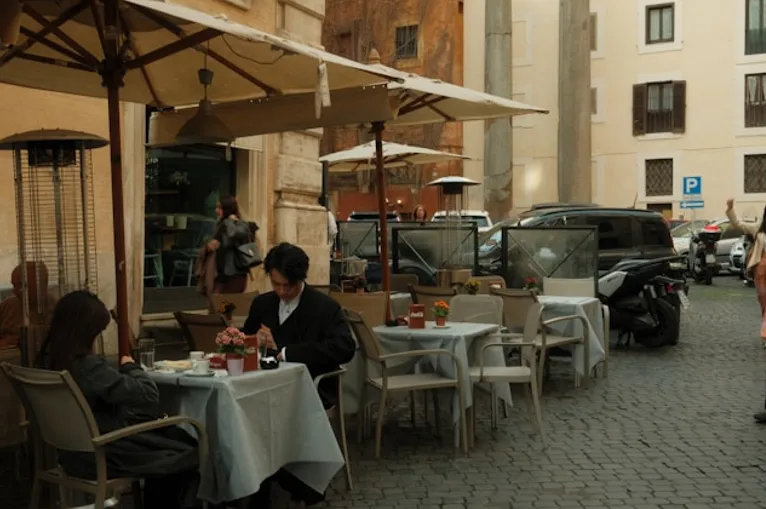
Experiences that go beyond the plate
Rome also offers interactive gastronomic experiences. One of the most popular is cooking classes in local homes or schools, where you can learn how to make fresh pasta or Roman-style pizza.
Another great option is a wine tasting in the Lazio region, just an hour away. There, you can sample local varietals and pair them with cheese or cold cuts.
At night, the scene changes: Romans gather in bars and terraces to enjoy an aperitif, that Italian tradition of having a drink with small bites before dinner. Head to places like Freni e Frizioni or Il Goccetto to experience it like a local.
Rome, a journey to be savored
Visiting Rome is to delve into a culture where food is part of the identity, not just a simple complement to the trip. Walking through its markets, trying pasta in a family trattoria, or sharing an ice cream in front of the Pantheon are moments that sum up the city’s essence.
Rome is best discovered with your taste buds. A food tour of Rome is a way to connect with the traditions, flavors, and rhythms of the city, where every dish tells a story and every flavor has its place in memory.
