
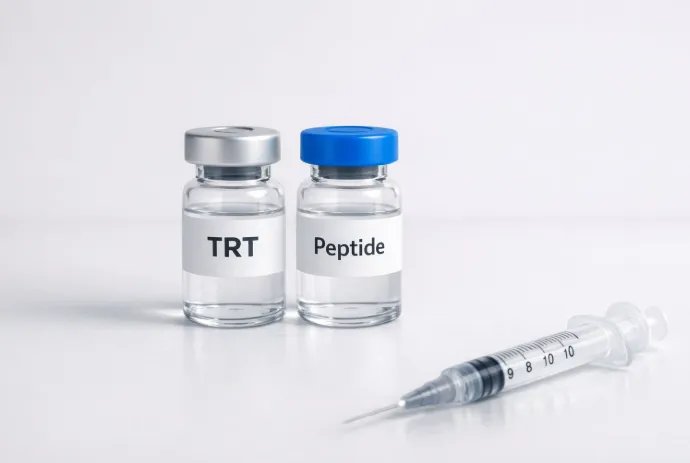
The combination of peptide therapy and testosterone replacement therapy (TRT) is a growing area of interest for men looking to address low testosterone and related symptoms. Initial clinic visits are designed to determine if a peptide and testosterone stack with TRT is suitable, focusing on safely aligning both therapies with your health profile and personal goals.
When seeking answers about dual therapies, your men’s health clinic appointment will focus on your concerns and the feasibility of combined treatments. A clinician may explore whether peptide therapy, TRT or a peptide and testosterone stack is appropriate for your situation.
Expect targeted questions relating to symptoms like low energy, changes in muscle mass, mood fluctuations or any previous experiences with peptide products. This comprehensive discussion allows the healthcare provider to evaluate whether using peptides to increase testosterone, either alone or with TRT, might be a safe and effective option for you.
Understanding Peptide Therapy and TRT
Peptide therapy refers to the use of short chains of amino acids to stimulate natural processes like the body’s production of hormone signals, including testosterone. TRT involves supplementing testosterone directly to manage deficiencies. The idea behind a peptide and testosterone stack is to combine these two strategies:
- Peptides to increase testosterone naturally
- TRT for direct supplementation
This approach requires close medical supervision, as the risks and benefits must be weighed for each individual, particularly regarding long-term safety and effectiveness.
The mechanism behind stacking peptides for testosterone with TRT centers on complementary pathways. While TRT directly introduces exogenous testosterone into the body, certain peptides work by triggering the pituitary gland and hypothalamus to optimize natural hormone production.
This dual approach may offer advantages for some people, particularly those who want to maintain some degree of natural testosterone production while addressing the symptoms of their deficiency. However, it’s important to understand that not all peptides function the same way, and the selection of specific peptide protocols depends on individual hormone profiles, age and overall health status.
Your provider will explain which testosterone-increasing peptides might work synergistically with your TRT protocol and why certain combinations are preferred over others based on current research and clinical experience.
Determining Your Eligibility for Combined Therapy
The healthcare provider at your TRT clinic in Miami will conduct a thorough evaluation before recommending both treatments together.
This includes :
- Collecting medical records
- Reviewing any past use or side effects of peptides for testosterone or TRT
- Discussing your goals
Clinics typically request details about:
- Your prior therapies
- Symptom history
- Specific health concerns
Intake forms will often ask you things like, “Have you tried peptides to increase testosterone before?” or “What symptoms have you noticed recently?” This upfront information is vital for assessing the appropriateness of a peptide and testosterone stack and planning personalized care.
The Clinical Assessment and Testing Process
At your appointment, expect a physical exam, lab work and a comprehensive review of your symptoms. Providers typically check blood pressure, metabolic health, and hormone levels, as these can influence the safety of combined therapies.
For example, if routine bloodwork reveals borderline testosterone alongside mild metabolic concerns, the doctor may suggest additional testing before any decision is made. In some cases, they may recommend monitoring your levels and revisiting the suitability of using both peptides for testosterone and TRT once more data has been collected. Both therapies are only recommended if tests indicate they’re safe with your current health status.
Developing an individualized treatment plan
If results support a combination approach, your healthcare provider will outline a stepwise plan for using peptides for testosterone alongside TRT. You’ll discuss dosing regimens, monitoring protocols, and expected outcomes. As you continue treatment, clinics may refer to the peptide therapy in Fort Lauderdale, to help you understand best practices and safety benchmarks.
Providers emphasize ongoing safety through regular lab work every few months, which tracks how both therapies affect hormone balance, energy, muscle mass, and other factors. Providers also clarify why certain medical conditions, like uncontrolled heart disease, may rule out one or both therapies.
Your involvement and questions about alternatives, adjustments, and the monitoring frequency help guide the treatment process throughout.
Ongoing Follow-up and Monitoring
Regular follow-up is essential when combining peptide therapy with TRT. During these scheduled visits, your progress, lab results, and possible side effects are reviewed. If you notice any new symptoms or concerns while using peptides for testosterone or a peptides and testosterone stack, report them immediately so your care plan can be adjusted.
This ongoing, collaborative approach ensures your therapy remains both effective and aligned with your evolving health needs, with safety as the top priority as you use peptides to increase testosterone alongside TRT.
