
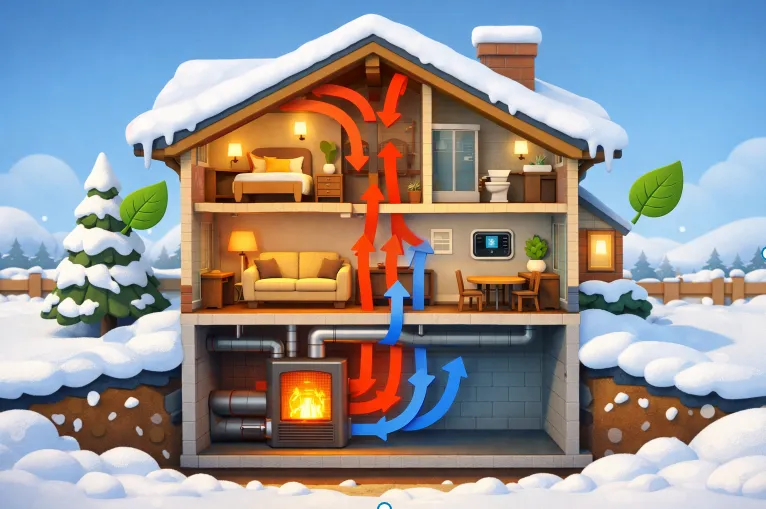
Keeping your home warm as temperatures drop does not have to mean higher energy bills. Innovative technologies, improved system designs, and a commitment to sustainability have made it possible for modern families to enjoy consistent comfort while also reducing their heating expenses. Understanding today’s heating options and best practices will help you create a more efficient and welcoming home environment. To make the most informed decisions, learn more about available system upgrades and professional installations. Energy-conscious choices are now easier than ever, especially as regulations and consumer demand push the industry toward high-performing, eco-friendly products.
Households across the United States are seeking practical solutions that combine powerful heating with energy efficiency, and manufacturers are answering that call. From advanced furnaces and heat pumps to smart thermostats and beautifully designed radiators, some options suit a range of needs. Keeping your system in top working order through regular maintenance and addressing areas of heat loss with insulation are also crucial steps. As you evaluate your next home improvement, knowing what to look for can pay off in lower monthly expenses and a reduced carbon footprint. Smart, sustainable choices deliver warmth and savings for your entire family.
High-Efficiency Furnaces
Furnaces have evolved into some of the most efficient options for whole-home heating. Traditional models wasted significant energy, but new standards implemented by the Department of Energy are changing that. In the near future, non-weatherized gas furnaces must achieve an Annual Fuel Utilization Efficiency (AFUE) rating of 95 percent. This ensures that the vast majority of fuel consumed is actually converted to usable heat, greatly reducing both energy waste and your utility bill. When shopping for a replacement or upgrade, look for AFUE labels and Energy Star certifications for the best returns on your investment. For context on the regulatory changes and how they impact your costs, you can review the DOE’s energy efficiency standards.
Heat Pumps: A Dual-Purpose Solution
Heat pumps have gained significant ground as a top choice for modern homes, especially in regions with moderate or fluctuating climates. These systems serve a dual purpose, providing efficient heating in winter and cooling in summer by transferring heat between the indoors and outdoors. Recent technological advances allow newer models to reliably heat homes even when outside temperatures drop below freezing. According to research from MIT, switching more households to heat pumps can lead to major reductions in both carbon emissions and household energy expenses over time. If you want a system that is versatile, low maintenance, and environmentally responsible, a heat pump may be an ideal fit. Full details on their efficiency and climate impact are available from major research institutions like MIT News.
Smart Thermostats: Intelligent Temperature Control
Today’s smart thermostats are powerful tools for any homeowner interested in convenience and lower heating bills. Unlike basic programmable models, these devices use sensors, Wi-Fi connectivity, and algorithms to adapt to your family’s schedule and habits. Features like remote adjustment, intuitive schedules, and integration with virtual assistants let you fine-tune your home’s comfort and save energy without much effort. Some smart thermostats offer real-time reporting and geofencing, adjusting the temperature automatically when occupants leave or approach the home. To find out which models best fit your system and lifestyle, consumer technology guides such as T3’s best smart thermostats offer comprehensive reviews of the latest options.
Modern Radiators: Style Meets Functionality
If you prefer room-by-room heating or want to add supplementary warmth to certain spaces, modern radiators and panel heaters present more options than ever before. Instead of the bulky, old-fashioned radiators of the past, these units now feature slim profiles, precision digital controls, and finishes designed with contemporary aesthetics in mind. Wall-mounted electric panel heaters, for example, are both energy efficient and unobtrusive. Infrared heaters are another innovative solution, providing direct warmth to objects and people in the room without wasting energy heating empty space.
Energy-Saving Tips for Homeowners
Along with modernizing your heating system, everyday practices make a notable difference in both comfort and costs. Here are several strategies for making your home more energy efficient:
- Schedule Annual Maintenance: Regular professional checkups keep your furnace or heat pump operating at peak performance, extending the lifespan of your system and preventing costly breakdowns.
- Upgrade Insulation: Gaps and under-insulated areas let valuable heat escape. Insulating attics, walls, and floors, as well as sealing windows and doors, preserves warmth and reduces the workload on your system.
- Adjust Thermostat Settings: Keeping your thermostat between 18 and 21 degrees Celsius and lowering it when your home is unoccupied or at night can lead to significant savings. Experts suggest only running your system during hours when the house is occupied and family members are awake.
Conclusion
Modernizing your home’s heating is a smart investment in comfort, efficiency, and future savings. With choices like high-efficiency furnaces, heat pumps, smart controls, and stylish radiators, you have more flexibility than ever to create a warm space for your family. Combined with energy-saving habits and maintenance, your upgrades can transform the way you live and lower your environmental impact for years to come.
