
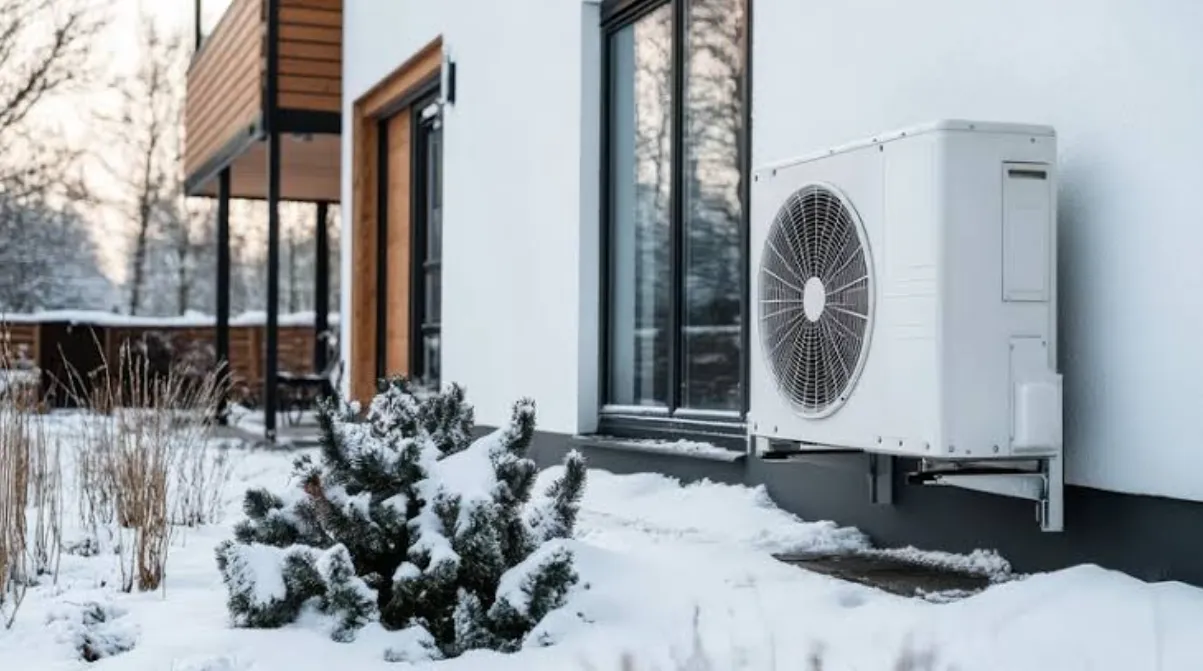
A furnace that runs almost nonstop through a hard cold snap is usually working correctly, not failing. That is the opposite of what most homeowners conclude when two back bedrooms sit ten degrees behind the thermostat and the propane truck keeps arriving. The assumption is understandable, and it is expensive. In a 1970s farmhouse outside Berlin on delivered propane, cold rooms almost always trace to how heated air moves through the house, not to the appliance making the heat. Before a retired couple signs a replacement quote, the cheaper first step is a diagnostic visit from a heating company berlin md that measures airflow and inspects the duct runs. Cold back bedrooms are a distribution problem, not an equipment problem.
Constant Runtime Rarely Means The Furnace Is Dying
Long runtime in single-digit weather means the equipment is sized close to the actual load. The pattern worth worrying about is the opposite one, where the burner lights, runs four minutes, shuts off, and lights again. A furnace that runs long and steady through a cold snap is behaving the way it was designed to behave. Short cycling points at a restricted filter, a failing flame sensor, or a unit oversized for the house.
Part of the confusion is that the rhythm changed. A decade ago most houses here ran a single-stage furnace that fired at full output, satisfied the thermostat fast, and shut down, so a long burn genuinely meant trouble. Newer two-stage and modulating equipment holds a low fire for an hour or more on purpose, because steady low output costs less than repeated blasts.
What usually turns up on these calls is duller than a dying furnace: a filter packed solid, a return grille half blocked by a dresser, two supply dampers someone closed in July and forgot. None of it appears on a thermostat readout. All of it changes how much air reaches the last room on the run.
Airflow And Aging Ductwork Starve The Far Rooms
In a house built in the 1970s the path to those bedrooms is rarely intact. Flex duct sags and crushes. Joints sealed with cloth tape fifty years ago have let go, and a run crossing an unconditioned crawlspace loses real heat before it reaches the register. The far bedrooms sit at the end of the longest branch, yet the ductwork usually gets a free pass while the furnace gets blamed.
One thing deserves saying plainly. Never tape over, seal, or block a vent, a flue, or a combustion air opening to push more heat toward a cold room. If a carbon monoxide alarm sounds or anyone smells gas, everyone leaves the house immediately and calls 911 or the propane supplier from outside. The U.S. Consumer Product Safety Commission tells homeowners to install a carbon monoxide alarm near the bedrooms in each sleeping area and to have the heating system inspected and serviced by a professional every year. (Yes, that second one sounds like something a contractor invented.)
A Proper Diagnosis Changes The House Within Weeks
A heating service visit measures static pressure and temperature rise, checks return and supply balance, inspects the heat exchanger and venting, then reports what it found instead of leading with a quote. Sometimes the answer really is replacement, and that conversation deserves numbers. PickHVAC’s July 2026 review of heat pump performance puts a standard air-source heat pump at a coefficient of performance between 2.2 and 3.0 at 32 degrees Fahrenheit, meaning it moves that many units of heat per unit of electricity drawn. On delivered propane, that ratio is worth pricing out after the diagnosis rather than instead of one.
Expect a sequence rather than an afternoon. Day one is measurement plus a short list of fixes, and the small ones, a correct filter or a sealed return boot, often happen on that same visit. Within the first week the back bedrooms should close most of the gap to the thermostat, usually to within two or three degrees. By the third week, once a genuine cold snap has tested the house, you learn the number that matters: whether the propane delivery interval stretched. Within 30 days a couple holding winter fuel near $250 a month sees the answer on the invoice.
Cold rooms are worth taking seriously, and constant runtime is worth asking about. Neither is proof the furnace needs replacing this month. A diagnosis costs a fraction of a new system and answers the question honestly, which is why it pays to call a heating company Berlin MD homeowners already use for maintenance before calling anyone for a replacement quote. Measure first, then decide.
