
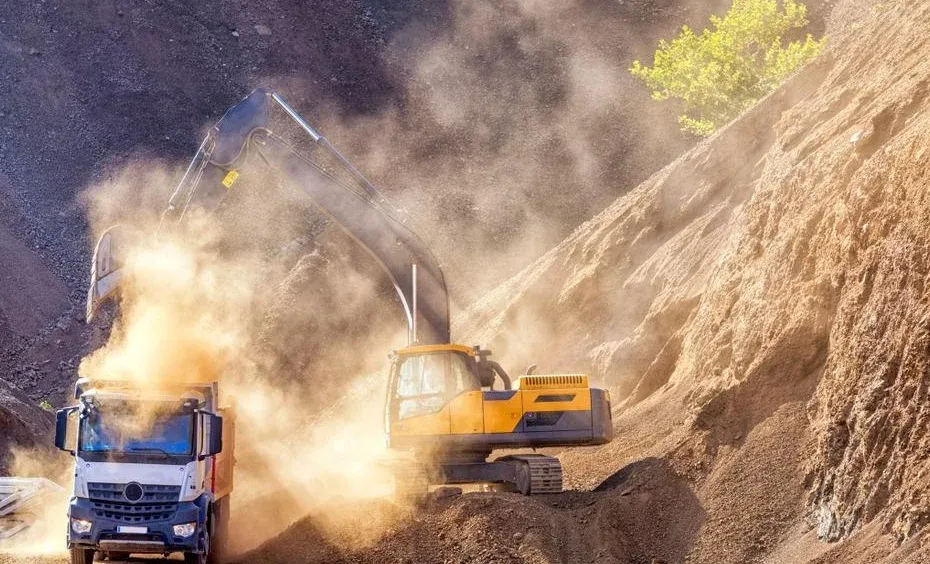
In the realm of mining safety, the management of coal dust is a critical concern. The health of mine workers is paramount, and as such, it’s important that the industry adheres to stringent practices that mitigate the risks associated with coal dust exposure. Efficient dust control not only safeguards workers but also contributes significantly to the overall operational safety of a mining facility.
Understanding the Hazards of Coal Dust
Coal dust represents a plethora of health risks, ranging from respiratory issues to the potential for explosive hazards within the mine. Prolonged inhalation of coal dust has been associated with a condition known as pneumoconiosis, commonly known as ‘black lung’ disease, which can have severe implications for respiratory health. Furthermore, when coal dust accumulates in the air in confined spaces, it can become an explosive hazard if ignited. Thus, managing coal dust is a multifaceted safety necessity.
Implementing Comprehensive Dust Control Strategies
The first step in effective coal dust management is to develop comprehensive strategies that address the creation and dispersion of dust particles. This involves a combination of engineering controls, such as water spray systems and air filtration solutions, as well as administrative controls, like effective training and health monitoring.
Engineering Controls: Wet and Dry Systems
Engineering controls are designed to physically suppress or capture coal dust before it becomes a respiratory hazard or explosion risk. Wet systems utilise water sprays to dampen the dust at the source, considerably reducing its ability to become airborne. On the other hand, dry systems make use of bag filters and dust collectors to capture fine particulates from the air within the mine. Selection of the appropriate system depends on individual mine conditions and operations.
Administrative Controls: Education and Surveillance
While engineering measures are significant, they must be complemented by robust administrative controls. Education and training programs that make workers aware of the risks associated with coal dust and the importance of using protective equipment are essential. Routine health surveillance and monitoring of dust levels in the mine can also identify areas where additional control measures are needed.
It is crucial for mining operations to stay abreast with the latest regulations and guidelines. Compliance not only ensures the safety of employees but also the legal and operational status of the mining establishment.
Personal Protective Equipment (PPE)
At the individual level, PPE such as respirators and protective clothing must be provided to workers to shield them from the risks associated with coal dust. The selection of appropriate PPE is based on the level of dust exposure and the nature of the work performed. Proper fitting and training in the use of PPE are necessary to ensure maximum protection.
Housekeeping and Environmental Controls
Regular housekeeping can significantly reduce the accumulation of coal dust in work areas. This includes the cleaning of equipment, work surfaces and floors, ideally with vacuum systems equipped with HEPA filters to prevent dust re-entrainment into the air. Encapsulation of dust-producing equipment and conveyor systems is also a practical approach to dust control.
Moreover, maintaining proper ventilation is critical in the mining environment. Ventilation systems designed to dilute and remove dust from mine workings can help to keep dust concentrations below permissible exposure limits.
Investing in Quality Dust Suppression Solutions
The heart of managing coal dust lies in investing in quality dust suppression solutions. Businesses like James Cumming & Sons provide activated carbon products and services that are crucial for industries in need of effective filtration and dust control solutions. High-grade activated carbon can capture fine particulates from air and water, making it a valuable tool in the fight against coal dust.
Activated Carbon: The Role in Dust Management
The use of activated carbon in dust management is becoming increasingly popular, especially in applications that require the removal of fine particulates without the addition of moisture, which can be problematic in some scenarios. Activated carbon filters effectively trap dust particles, preventing them from being inhaled by miners or contributing to accumulated dust layers that could become explosive.
Monitoring and Continuous Improvement
A critical aspect of managing coal dust is ongoing monitoring and regular review of control strategies. By keeping track of dust levels with real-time monitoring equipment, mines can respond promptly to elevated dust concentrations. Continuous improvement in the form of technology upgrades, enhanced training programs, and re-evaluation of existing safety measures also plays a decisive role in ensuring the health and safety of mine workers.
The Role of Regulations and Industry Standards
Compliance with national and international safety regulations and industry standards serves as a backbone for coal dust management practices. Regulatory bodies frequently update guidelines and permissible exposure limits based on the latest research in occupational health and safety. Mining operations must align their practices with these standards to ensure protection against the ongoing threat posed by coal dust exposure.
Conclusion
There is no single solution to the problem of coal dust in mining, but a combination of engineering controls, administrative strategies, proper use of PPE, and capital investment in filtration technologies like those provided by James Cumming. Rigorous regulatory compliance and a commitment to continuous improvement further cement the foundation of a safe and health-conscious mining environment.
Ultimately, protecting mine workers from coal dust is an ongoing challenge that requires meticulous planning, investment, and the application of best practices. It is this dedication to health and safety that will ensure mining remains a sustainable and responsible industry for future generations.
