
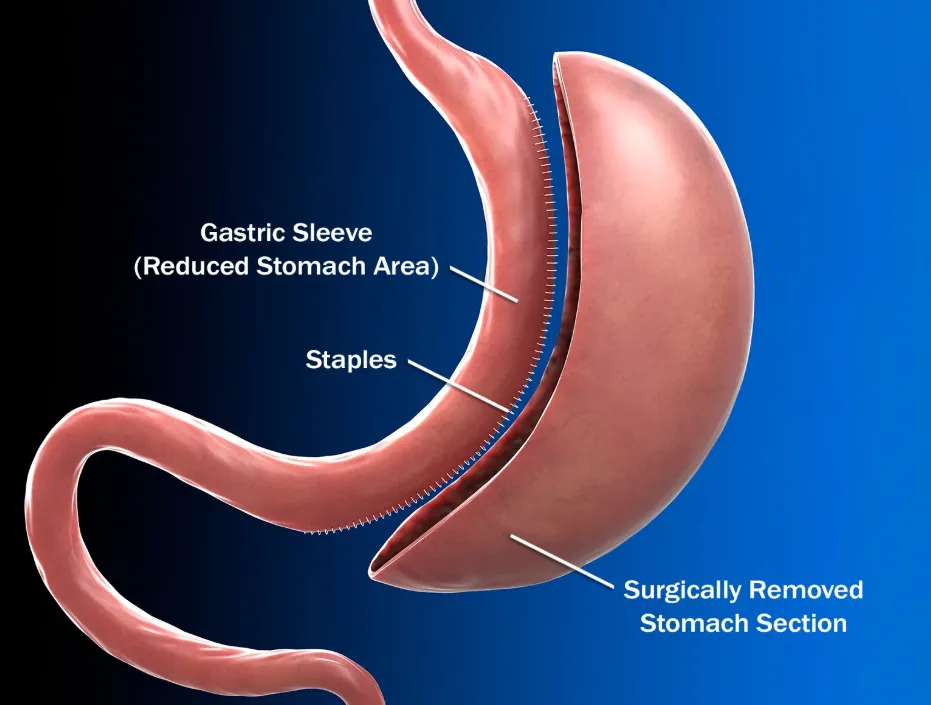
Considering weight loss surgery? The gastric sleeve is a well-known option. At the Laparoscopic and Endoscopic Surgery Institute, P.C, experts focus on helping you achieve a healthier life. Gastric sleeve surgery reduces your stomach size, making it easier to manage portions and feel full faster. This can lead to significant weight loss over time. The procedure is minimally invasive, which means quicker recovery. You may return to your daily routine sooner. Remember, this is a tool to support lifestyle changes. It’s crucial to commit to a healthier diet and regular physical activity after surgery. The journey begins with understanding your options. You’ll work with a team that provides expert guidance. This is your opportunity to take control of your health. Let’s explore how the gastric sleeve could be the support you need.
Understanding the Gastric Sleeve
The gastric sleeve, or sleeve gastrectomy, involves reducing the stomach’s size to about 15% of its original volume. This change helps create a smaller, banana-shaped stomach. With less room for food, you feel full faster and eat less. This can be a powerful aid in losing weight and keeping it off.
Benefits of the Gastric Sleeve
- Effective weight loss
- Improves obesity-related conditions like type 2 diabetes and high blood pressure
- Fewer complications compared to other bariatric surgeries
- Does not require foreign objects like bands
Risks and Considerations
Like any surgery, the gastric sleeve has risks. Possible complications include bleeding, infection, and leaks from the stapled area. Long-term risks might involve nutritional deficiencies. It’s important to follow up with your healthcare provider regularly to ensure your health remains on track. You’ll also need to commit to lifelong dietary changes and supplements.
Comparing Gastric Sleeve to Other Weight Loss Surgeries
| Type | Procedure | Recovery | Long-term Weight Loss |
|---|---|---|---|
| Gastric Sleeve | Reduces stomach size by 85% | 2 to 3 weeks | 50-60% of excess weight |
| Gastric Bypass | Creates a small pouch and bypasses part of the intestine | 3 to 5 weeks | 60-80% of excess weight |
| Adjustable Gastric Band | Band placed around the upper stomach | 1 to 2 weeks | 40-50% of excess weight |
Preparing for Surgery
Preparation involves several steps. You’ll undergo medical evaluations and meet with specialists. This ensures you’re physically ready and understand the lifestyle changes required. Pre-surgery counseling is crucial. It helps set realistic expectations and prepares you for the journey ahead.
Post-Surgery Care
After surgery, you’ll transition through dietary phases, starting with liquids and gradually reintroducing solids. Regular follow-ups track your progress and manage any issues. Support groups can offer encouragement and accountability. Adopting a balanced diet and maintaining physical activity is key to sustaining weight loss.
Conclusion
The gastric sleeve offers a viable solution for those struggling with obesity. It’s not just about losing weight. It’s about gaining health, confidence, and a better quality of life. With the right support and commitment, you can achieve lasting results.
For more detailed information, visit the National Institute of Diabetes and Digestive and Kidney Diseases. They provide reliable resources about weight loss surgeries and what to expect.
