
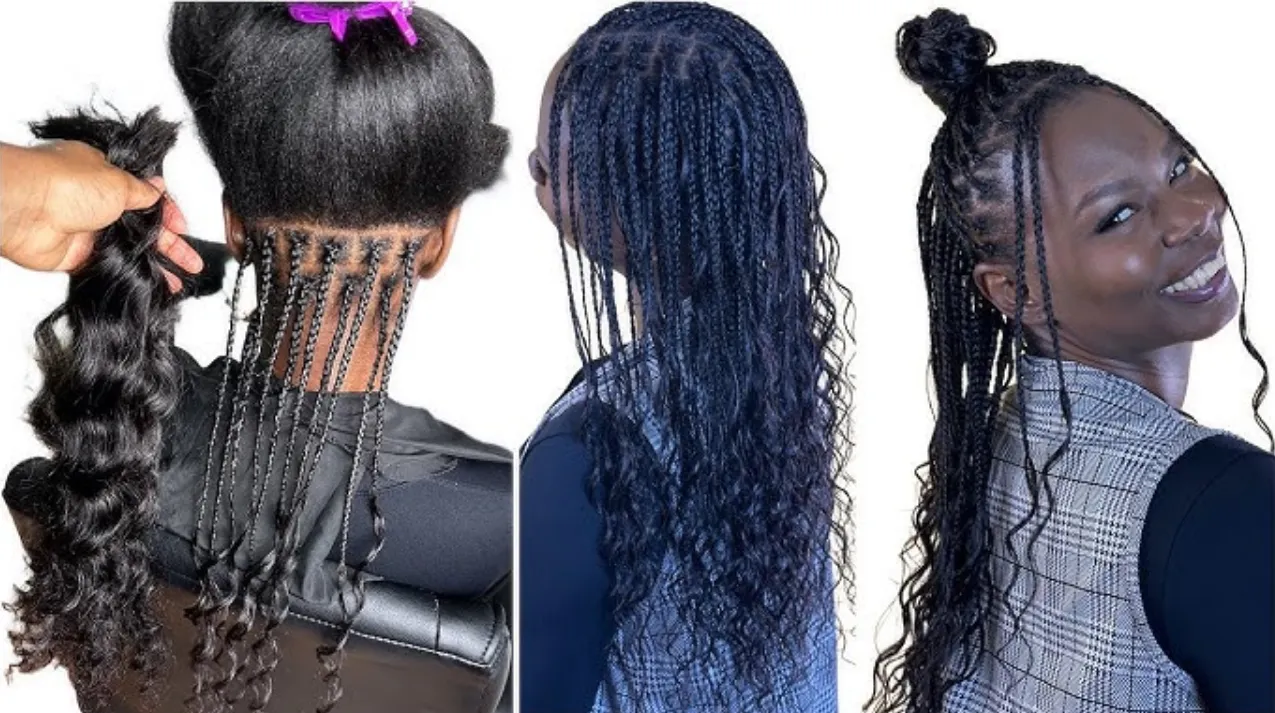
Braided hairstyles have stood the test of time, not only as a means of self-expression but also as a protective style that encourages healthy hair growth. Whether you’re aiming for classic box braids, trendy knotless braids, or intricate cornrows, the quality of the hair you use plays a crucial role in the final look and longevity of your style. With so many options available, choosing the best human hair for braiding can feel overwhelming. This complete guide will walk you through everything you need to know to make an informed decision and achieve flawless, long-lasting braids.
Why Choose Human Hair for Braiding?
When it comes to braiding, you typically have two choices: synthetic hair or human hair. While synthetic hair is budget-friendly and available in a wide range of colors, human hair offers unmatched realism, versatility, and durability. Here’s why many stylists and braid enthusiasts prefer human hair for braiding:
- Natural Look and Feel: Human hair blends seamlessly with your own hair, giving your braids a soft, natural appearance.
- Styling Flexibility: You can wash, heat-style, and even dye human hair, making it ideal for those who love to switch up their look.
- Longevity: With proper care, human hair braids can last much longer than synthetic alternatives.
Types of Human Hair for Braiding
Not all human hair is created equal. Understanding the different types will help you select the best option for your desired style and budget.
1. Virgin Human Hair
Virgin hair is unprocessed and has never been chemically treated or colored. It’s considered the highest quality because the cuticles are intact and aligned in one direction, reducing tangling and shedding. Virgin hair is perfect for braids that require a natural, healthy shine and minimal maintenance.
2. Remy Human Hair
Remy hair is collected with the cuticles still aligned, but it may have undergone some processing, such as gentle coloring. Remy hair is known for its smooth texture and reduced tangling, making it a popular choice for braiding.
3. Non-Remy Human Hair
Non-Remy hair is more affordable but may have cuticles running in different directions, which can lead to tangling and matting. If you’re on a tight budget and plan to wear your braids for a short period, non-Remy hair can be an option, but it requires more maintenance.
Texture Matters
The texture of the hair you choose should complement your natural hair or the look you’re trying to achieve. Common textures include:
- Straight: Sleek and easy to style, straight human hair is great for neat, polished braids.
- Wavy: Adds natural movement and body to your braids.
- Curly: Perfect for fuller, voluminous braided styles and blending with natural curls.
How to Choose the Right Color
Matching your braid hair color to your natural hair is important for a seamless look. However, braiding is also a great opportunity to experiment with bold colors or highlights. If you’re feeling adventurous, you can even mix in colored strands for a unique effect.
For those interested in lighter shades, it’s worth noting that blonde human hair wigs have gained popularity for their versatility and ability to be toned or dyed to almost any shade. If you’re considering blonde braids, look for high-quality, pre-lightened human hair or consider coloring virgin human hair bundles to your desired hue.
Important Factors to Consider
1. Length
Human hair for braiding comes in various lengths. Consider the final look you want—long, dramatic braids or short, chic styles—and choose accordingly. Remember, longer hair will require more bundles.
2. Weight
Heavier hair can put stress on your scalp and natural hair. Opt for lightweight bundles, especially if you plan on installing small or micro braids.
3. Sourcing and Ethics
Choose hair from reputable suppliers who prioritize ethical sourcing. This ensures not only quality but also that the hair was collected in a responsible manner.
4. Price
While human hair is more expensive than synthetic, it’s an investment in quality and longevity. Compare prices, but be wary of deals that seem too good to be true, as they may indicate lower-quality or mixed hair.
Tips for Caring for Human Hair Braids
To make the most of your investment and keep your braids looking fresh, follow these care tips:
- Wash Gently: Use sulfate-free shampoo and lukewarm water to cleanse your scalp and braids without causing frizz.
- Moisturize: Apply leave-in conditioner or lightweight oils to keep the hair hydrated.
- Protect at Night: Wrap your braids in a silk or satin scarf to prevent tangling and breakage.
- Avoid Excessive Heat: While human hair can be heat-styled, excessive use of hot tools can shorten its lifespan.
Final Thoughts
Choosing the best human hair for braiding is about more than just picking a bundle off the shelf. Consider the type, texture, length, and color that best suits your style and needs. Investing in high-quality hair will not only enhance the beauty of your braids but also ensure they last longer and look more natural. And if you ever want to switch things up, remember that options like blonde human hair wigs offer even more styling versatility. With the right selection and care, your braids will turn heads and protect your natural hair for weeks to come.
