
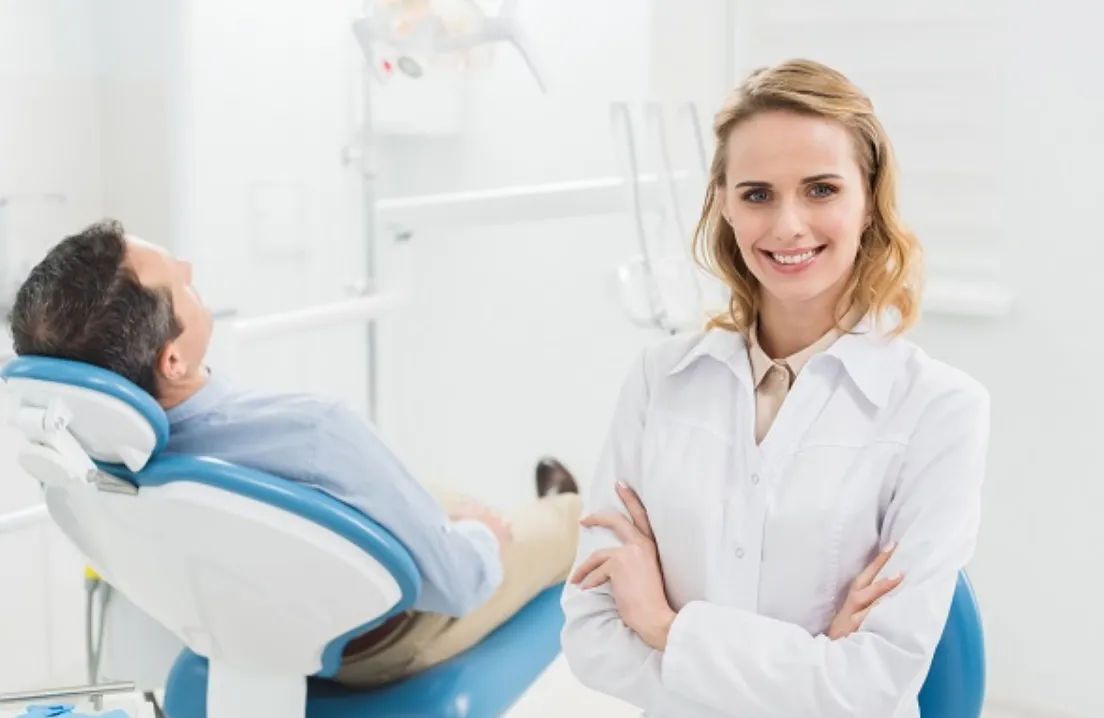
For many people, visiting the dentist can trigger stress, anxiety, and even physical discomfort. The mere thought of sitting in the dental chair often provokes worry about pain, procedures, or the unfamiliar environment. Traditionally, these feelings have discouraged patients from seeking routine care, sometimes leading to more serious dental problems down the line. However, advances in dental care have introduced a patient-focused approach that prioritizes comfort and relaxation, making dental visits less daunting than ever before.
Sleep dentistry, also known as sedation dentistry, uses medication to help patients relax during dental procedures. Contrary to some misconceptions, patients are not fully “asleep” in the sense of general anesthesia; instead, they enter a calm, semi-conscious state where awareness of time and sensations is minimized. This approach is especially valuable for individuals with dental phobia, severe gag reflexes, or complex treatment needs.
A Gentle Approach to Dental Care
Imagine sinking into a plush dental chair, soft music playing, while knowing that your procedure will be virtually anxiety-free. That’s the essence of sleep dentistry. Unlike general anesthesia, sedation dentistry doesn’t put you fully to sleep. Among these innovations, an effective solution that has gained popularity is sleep dentistry. Instead, it eases you into a deeply relaxed state where awareness of time and sensations fades.
Whether it’s a routine check-up, root canal, tooth extraction, or dental implant, sleep dentistry helps patients feel calm and safe. For those who have postponed treatments for years due to fear, it offers a life-changing opportunity to finally prioritize oral health.
Finding the Right Level of Relaxation
Sedation dentistry isn’t one-size-fits-all. Patients can choose from multiple options depending on their needs:
- Oral sedation: A pill taken before the appointment induces mild drowsiness and comfort.
- Nitrous oxide (“laughing gas”): A light inhalation that relaxes patients while keeping them awake.
- IV sedation: A deeper, intravenous approach for extensive or lengthy procedures, keeping anxiety and discomfort at bay.
Dentists carefully monitor all patients throughout the procedure, ensuring safety and peace of mind. Recovery is typically smooth, allowing patients to return to their day with minimal downtime.
Reducing Fear, Boosting Confidence
Beyond physical comfort, sleep dentistry addresses one of the biggest obstacles in dental care: fear. Patients who once dreaded every appointment can now experience relief and empowerment. Completing treatments with minimal stress encourages consistent dental visits, reducing long-term risks such as decay or gum disease.
This approach also benefits families, seniors, and those with special needs, providing a practical way to maintain oral health without unnecessary anxiety. For many, dental clinic in Jurong sleep dentistry transforms dental care from a source of stress into a proactive, confidence-building experience.
More Than a Chair: The Calm Environment
Many clinics complement sedation with a soothing, patient-focused environment. Warm lighting, soft music, and cozy chairs create a calming space that enhances relaxation. These touches make appointments feel less clinical and more like a moment of personal care. By pairing advanced sedation with a serene atmosphere, patients feel both physically and emotionally supported.
The Rise of the Dental Spa
For those looking to take their dental experience to the next level, some practices are embracing the dental spa concept. Imagine a clinic where sedation dentistry meets a spa-like ambiance—soothing aromas, tranquil décor, and attentive care at every step. This approach highlights the connection between oral health and emotional well-being, transforming a routine appointment into a truly calming experience.
Patients leave feeling relaxed, cared for, and motivated to maintain long-term oral health.
A Modern Solution That Works
It’s easy to see why sleep dentistry is rapidly gaining popularity. By blending effective sedation techniques, a calming environment, and patient-centered care, it removes the barriers that have kept many away from the dentist. What was once a source of stress has become an opportunity to relax, recline, and renew confidence in both oral health and self-care.
For anyone who has ever delayed a dental visit out of fear, sleep dentistry offers a practical, comfortable, and even enjoyable solution. With its combination of safety, comfort, and emotional relief, it’s no wonder that more patients are embracing this modern approach to dental care. A dental spa helps to reduce anxiety and fear and can further enhance this calming, restorative experience.
