
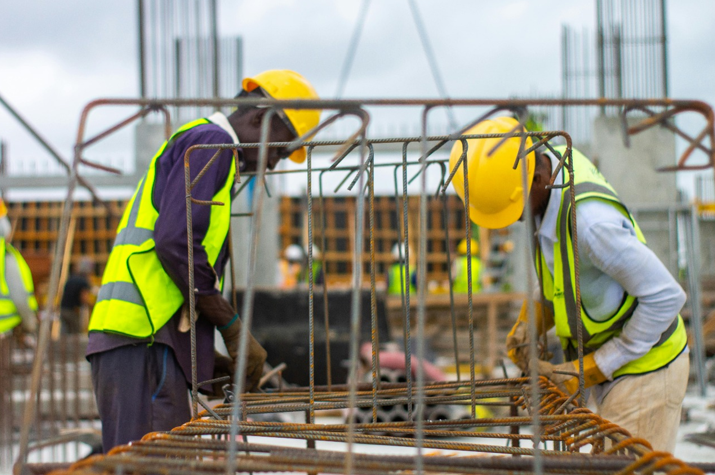
Construction sites can be dangerous. Heavy machinery, sharp tools, high platforms—there’s a lot that can go wrong. Whether it’s a minor scrape or a severe fall, responding swiftly can mean the difference between a minor problem and a significant incident.
The reality is that injuries happen all the time on construction sites. That’s why having the proper first aid training and tools on hand is vital.
In this article, we share ten essential tips for using first aid in construction environments.
Tip 1: Immediate Response to Cuts and Lacerations
Sharp tools and rough materials make injuries inevitable. Knowing how to deal with these quickly and correctly is crucial. The first thing to do is apply pressure. Grab a clean cloth or bandage and press on the wound to stop the bleeding. If it’s deep, don’t try to clean it right away—just focus on stopping the blood flow.
Once the bleeding’s under control, clean the wound with soap and water. Keep it covered to prevent infection. And remember, even minor cuts can lead to complications if not treated properly. This is why basic first aid at work training is so important. Training allows you to handle these situations calmly and efficiently and make the right decisions confidently and timely.
Tip 2: Dealing with Falls and Fractures
Falls are among the top causes of injuries on construction sites. It’s easy to lose your footing while working on scaffolding or ladders. When a fall happens, you need to act fast but carefully. First, assess the person’s condition. Can they move? If there’s any chance they’ve broken a bone or injured their spine, don’t move them unless necessary. Moving someone with a fracture can make things worse.
Immobilise the injured area if you can. For fractures, you can use a splint to keep the broken bone steady. If it’s a severe fall, call for professional medical help immediately. It’s always better to err on the side of caution when it comes to falls and fractures.
Tip 3: Addressing Head Injuries
If not treated properly, a minor bump can quickly turn into a severe concussion. The key is to recognise the signs early. If someone hits their head, even if they seem fine, monitor them closely. Look for symptoms like dizziness, confusion, headaches, or nausea. These are all red flags.
If the person loses consciousness or seems disoriented, get medical help right away. In the meantime, keep them still and elevate their head slightly. For a more mild injury, apply a cold compress to reduce swelling. But always, always take head injuries seriously. Better safe than sorry.
Tip 4: Managing Eye Injuries
Construction sites are full of flying debris, dust and chemicals. Unfortunately, these are all threats to your eyes. If something gets in your eye, it’s essential to act fast. First, avoid rubbing the eye—this can cause more damage. Instead, flush the eye with clean water for at least 15 minutes. If chemicals are involved, this is even more critical.
After flushing, cover the eye with a clean, loose bandage. If the person’s vision is impaired or the eye still feels irritated, seek medical attention. Eye injuries can escalate quickly, so don’t take chances. The sooner you address the problem, the better.
Tip 5: Treating Burns
Burns come in many forms on a construction site—thermal, chemical and electrical. Each needs to be treated quickly and correctly. For thermal burns (caused by heat or fire), cool the area with water for at least 10 minutes. Don’t use ice, as it can damage the skin even more. Once the burn has cooled, cover it with a clean, non-stick bandage.
Chemical burns are trickier. First, flush the area with water—just like with eye injuries. Keep the water running over the burn for a long time. You want to wash away all traces of the chemical. Electrical burns require immediate medical attention, as they can cause internal damage. After a shock, check for breathing and heartbeat. If necessary, begin CPR until help arrives.
Tip 6: Handling Heat Exhaustion and Heatstroke
Construction workers spend long hours in the sun, and heat exhaustion is a real risk. The signs? Dizziness, heavy sweating, nausea and a rapid pulse. If someone’s showing these symptoms, get them to a cool area immediately. Have them lie down and sip water slowly.
If heat exhaustion isn’t treated, it can turn into heatstroke—a life-threatening condition. Signs of heatstroke include confusion, a high body temperature and dry skin (since the person may stop sweating). In this case, call emergency services right away. While you wait for help, cool the person by whatever means you can—cold compresses, fans or even pouring water on them.
Tip 7: Responding to Electrocutions
Electricity is everywhere on construction sites. Power tools, wiring and machinery all pose risks of electrocution. If someone gets shocked, the first step is to turn off the power source if possible. Don’t touch the person until the electricity is off—you could get shocked, too. Once the area is safe, check the person’s breathing and heartbeat.
If they’re not breathing or don’t have a pulse, start CPR right away. Electrical injuries can affect the heart and other internal organs, so don’t delay getting professional medical help, even if the person seems okay afterwards.
Tip 8: Chemical Exposure
Chemicals are a common hazard on many construction sites. Exposure to cement, cleaning agents, or other industrial materials can cause serious injuries. If someone comes into contact with a harmful substance, the first thing to do is remove them from the exposure—get them to fresh air if it’s a gas or away from the chemical if it’s a liquid or powder.
Next, flush the affected area with water for at least 20 minutes. If the chemical gets in their eyes or on their skin, rinse thoroughly. For ingested chemicals, don’t induce vomiting unless instructed to do so by a professional. Call poison control or emergency services to get specific guidance on the chemical in question.
Tip 9: Keeping a Well-Stocked First Aid Kit
The best first aid skills in the world won’t do much good if you don’t have the right tools on hand. Every construction site is required to have all the first aid provisions and all the essentials that are accessible to all workers. Some of the essential items include:
- Sterile bandages and gauze
- Antiseptic wipes and ointment
- Burn treatment supplies
- Eye wash solution
- CPR mask or face shield
- Tweezers and scissors
- Pain relievers and cold packs
- Splints for broken bones
Make sure the kit is regularly checked and restocked. Supplies can run low quickly, especially on a busy job site. Having everything you need at your fingertips can make all the difference in an emergency.
Along with keeping your kit ready, first aid courses are essential to ensure workers know how to use these tools. These courses equip everyone with the knowledge to act swiftly and confidently when accidents happen.
Tip 10: CPR and Emergency Actions
CPR (Cardiopulmonary Resuscitation) is one of those skills everyone hopes they’ll never need but should always know. On construction sites, where accidents can be severe, knowing CPR can save a life. If someone’s unresponsive and not breathing, start CPR immediately. Apply firm and rapid pressure in the centre of the chest at a rate of approximately 100 to 120 compressions per minute.
If you’re trained, alternate chest compressions with rescue breaths. If not, focus on the compressions until professional help arrives. Many construction sites now have AEDs (automated external defibrillators). If one’s available, use it. AEDs can shock the heart back into rhythm and dramatically improve the chances of survival.
