
Key Takeaways
- PHPs provide intensive, structured care while allowing participants to live at home.
- These programs are a practical bridge between inpatient hospitalization and outpatient therapy.
- Ideal for individuals needing greater support than standard outpatient care but less than 24-hour hospitalization.
Table of Contents
- What Is a Partial Hospitalization Program?
- Services Offered in PHP
- Who Can Benefit from PHP?
- Advantages of PHP
- How to Enroll in a PHP
- Conclusion
Navigating the mental health care landscape can feel overwhelming, especially when symptoms demand professional intervention but not overnight hospitalization. Recognizing the need for a balanced solution, many individuals and families explore options like day treatment services such as PHP in Boulder, Colorado. Partial Hospitalization Programs (PHPs) fill a critical gap by offering intensive, structured care while allowing participants to go home each evening, supporting both recovery and normalcy.
Partial hospitalization programs (PHPs) provide intensive treatment for individuals who need support while managing their daily responsibilities. These programs involve structured daily routines, various therapeutic modalities, and collaboration among health professionals, enabling participants to develop essential life skills and self-awareness. Many clients transition to PHPs following hospitalization or worsening symptoms that outpatient care cannot effectively address, making PHPs crucial for symptom stabilization, minimizing hospital readmissions, and empowering individuals to regain control over their lives.
What Is a Partial Hospitalization Program?
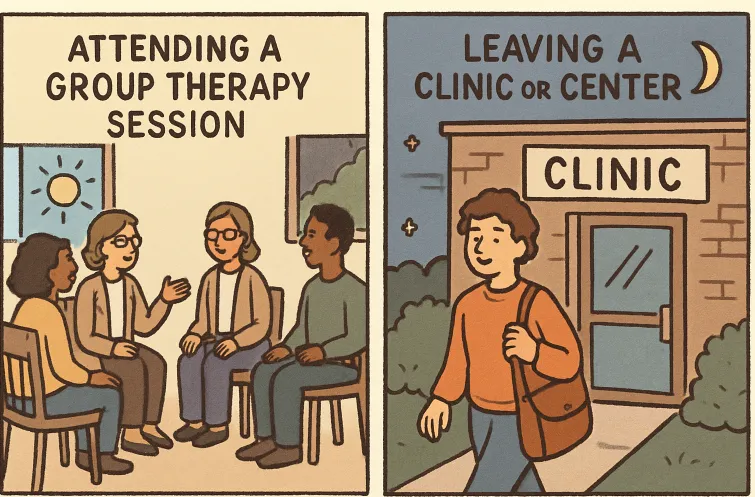
Partial Hospitalization Programs, often called day treatment, are highly structured mental health services that provide comprehensive care for several hours a day, several days a week. Unlike inpatient programs, patients in a PHP do not stay overnight; instead, they participate in daytime programming and return home once sessions conclude.
PHPs focus on equipping individuals with practical coping skills, emotional regulation strategies, and tailored medication management, all under the guidance of an interdisciplinary treatment team. This structure enables patients to stabilize their symptoms, avoid relapse, and transition more smoothly back into everyday life. PHPs are overseen by licensed therapists, psychiatrists, nurses, and social workers, each contributing expertise to ensure personalized pathways to recovery.
Services Offered in PHP
The comprehensive nature of PHPs (Partial Hospitalization Programs) distinguishes them from other care forms, offering a range of services designed to support mental health. Individual therapy sessions focus on uncovering the roots of emotional distress and fostering personal growth. Group therapy involves peer-led and professionally facilitated sessions to promote community, sharing of insights, and development of healthy communication. Medication management includes routine evaluations by medical providers to optimize psychiatric medication effectiveness while minimizing side effects. Psychoeducation equips individuals with knowledge about mental health diagnoses and treatment options, empowering informed decision-making. Skill-building activities comprise evidence-based classes that teach mindfulness, distress tolerance, emotional regulation, and problem-solving techniques. Additional support services, including family education, case management, care coordination, and expressive therapies (such as art and music therapy), ensure a holistic approach to treatment, addressing all aspects of wellness
Who Can Benefit from PHP?
PHPs are well-suited for individuals experiencing moderate to severe symptoms who do not need constant supervision. Typical candidates include those stepping down from inpatient care after an acute crisis and those whose current symptoms are unmanageable in a standard outpatient setting.
Mental health concerns commonly addressed in PHPs include major depressive disorder, generalized anxiety, panic attacks, bipolar disorder, PTSD, and co-occurring substance use or eating disorders. Patients struggling after a recent hospitalization often find PHPs a helpful transitional tool. In contrast, others may enter PHPs after a clinical assessment reveals the need for greater support than weekly therapy can provide
Advantages of PHP
Partial Hospitalization Programs (PHPs) provide several key advantages. They offer intensive support with daily therapeutic care, helping participants manage complex or acute mental health issues. The flexibility of PHP allows patients to live at home while maintaining family obligations, work, and education. These programs promote community integration by encouraging patients to apply coping strategies in their daily interactions right away. Additionally, PHPs are cost-effective, as they reduce the expenses associated with overnight hospitalization while delivering substantial therapeutic benefits. This combination of flexibility and intensity is crucial for achieving lasting mental health improvements, aligning with research that indicates ongoing community engagement enhances the effectiveness of mental health interventions
How to Enroll in a PHP
- Assessment: Begin with a thorough evaluation by a licensed mental health professional to determine whether PHP is the appropriate level of care based on current symptoms, history, and needs.
- Referral: If PHP is suitable, a referral is made either during hospitalization discharge planning or through outpatient mental health providers.
- Intake Process: Complete necessary registration forms, insurance verifications, and a personal orientation covering the daily program structure, rules, and expectations.
It is important for individuals or their families to consult with healthcare providers when evaluating whether a PHP aligns with their goals for recovery, lifestyle constraints, and overall mental health needs. Open, ongoing communication with referring clinicians and the PHP treatment team can help ensure a seamless start and maximize the benefits of participation
Conclusion
Partial Hospitalization Programs are a vital resource for individuals needing intensive therapy without the constraints of full hospitalization. By balancing structured, evidence-based treatment and flexible scheduling, PHPs enable participants to stabilize their symptoms, practice new skills, and reconnect with daily life and relationships. If you or a loved one faces mental health challenges that demand more than outpatient therapy but not 24/7 inpatient support, a day treatment program may be a critical step toward healing and lasting well-being.
