
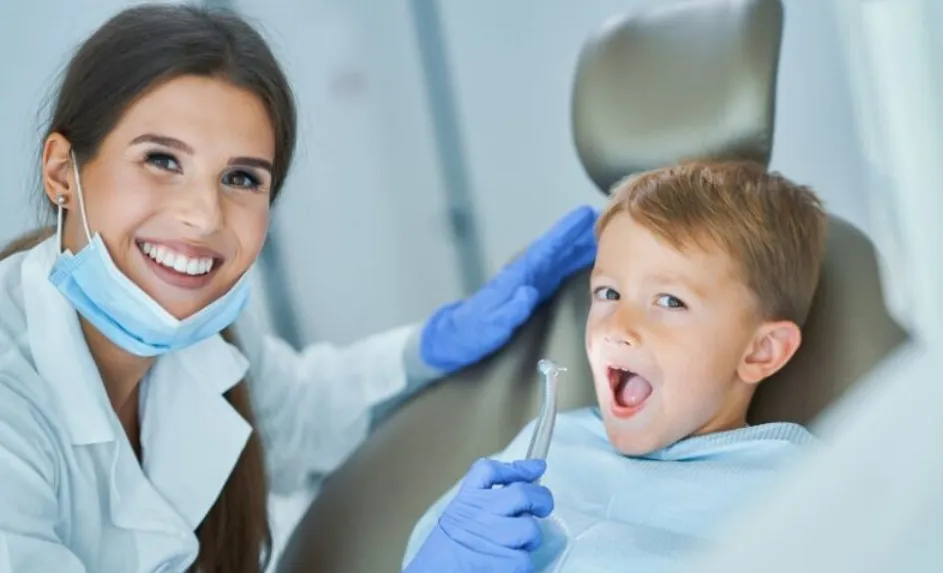
Pediatric dentists undergo specialized training to provide expert dental care tailored to children. Unlike general dentists, they focus on understanding the unique needs and behaviors of kids at every developmental stage, combining skill, knowledge, and empathy for young patients.
The Journey to Becoming a Pediatric Dental Specialist
Academic Foundations
The path begins much the same as for all dental professionals—with a bachelor’s degree focusing on sciences such as biology and chemistry, followed by dental school. This four-year program provides the broad medical and dental education needed to diagnose and treat oral health issues across all ages.
However, for those wishing to dedicate their careers to caring for younger patients, an additional layer of specialized training is required.
Advanced Pediatric Residency Programs
After graduating from dental school, aspiring pediatric dental specialists must complete an accredited two to three-year residency program. These programs are highly competitive and combine classroom instruction with hands-on clinical experience under the supervision of experienced mentors. During this advanced training, participants encounter a wide array of dental conditions unique to children, from the eruption of the first baby teeth to the challenges presented by mixed or emerging permanent dentition.
Unique Focus Areas in Pediatric Training
What sets this training apart? Pediatric dental specialists’ residencies focus on far more than just technical procedures. Trainees develop expertise in a broad range of specialized areas, including:
- Child Psychology and Behavior Guidance
Specialists are trained to understand children’s developmental milestones and how these affect oral health and treatment planning. Learning effective communication strategies and behavior management techniques is key, allowing them to create a comfortable and supportive environment for young patients—even those with dental anxiety or special needs.
- Growth and Development Monitoring
Specialists learn to identify normal and abnormal growth patterns in the mouth, jaw, and facial structure, aiding early intervention in cases that may impact oral function or overall health. This includes tracking tooth eruption sequences and jaw development.
- Preventive Dental Care
Children’s teeth are especially vulnerable to decay. Training emphasizes preventive strategies such as fluoride application, sealants, dietary counseling, and patient/parent education to safeguard against cavities and gum disease.
- Restorative Procedures Tailored to Children
Pediatric dental training covers techniques and materials specifically designed for baby and adolescent teeth, from minimally invasive fillings to crowns suitable for small, developing mouths.
- Sedation and Anesthesia for Young Patients
Some children require sedation or general anesthesia for certain procedures. Children’s dentists, like those in Oregon City, are trained to safely administer nitrous oxide (laughing gas), oral sedatives, or oversee care provided in a hospital setting when deeper anesthesia is necessary.
- Managing Dental Emergencies in Kids
Accidents and dental trauma are common in childhood. Training covers how to handle knocked-out or fractured teeth, oral injuries, and infections, always taking into account the child’s age, stage of development, and emotional state.
- Special Needs Dentistry
Not all children develop at the same pace, and some have unique medical or developmental conditions, such as autism, Down syndrome, or physical disabilities. Pediatric dental specialists receive education on how to adapt techniques, equipment, and communication styles to give all children access to quality dental care.
Certification and Continuing Education
After completing their advanced training, pediatric dental specialists must pass rigorous board examinations to demonstrate their knowledge and clinical abilities. Attaining board certification signals a commitment to the highest standards of practice and ongoing professional growth.
Even once certified, specialists must pursue regular continuing education. The fields of dentistry, pharmacology, and pediatric medicine evolve constantly. Continual learning ensures that practitioners can apply the latest evidence-based strategies and technologies for prevention, diagnosis, and treatment. This is especially crucial in pediatric dentistry, where new materials and minimally invasive techniques are always emerging to improve comfort and outcomes for kids.
The Importance of Empathy and Communication
Technical skills and scientific knowledge are only part of what makes a specialist successful in supporting children’s oral health. Training emphasizes:
- Effective Communication
Specialists use age-appropriate language, stories, and demonstrations to explain dental procedures, reducing fear and making visits a positive experience.
- Family-Centered Care
Training instills the importance of partnering with parents and caregivers, empowering them with knowledge to reinforce healthy oral habits at home.
- Patience and Flexibility
Each child is unique. Specialists learn to adapt their approach to suit a child’s comfort level, attention span, and developmental needs.
Why This Advanced Training Matters
Early childhood is a critical time for oral health. Habits and experiences established at a young age can shape a person’s dental health for life. The comprehensive, specialized training that pediatric dental professionals receive allows them to:
- Make children feel safe and understood
- Identify, prevent, and treat problems unique to growing mouths
- Support families in building lifelong oral health habits
By combining advanced clinical skills, a deep understanding of child development, and a heartfelt commitment to compassionate care, these specialists offer invaluable support through every stage of childhood.
Conclusion
Pediatric dental specialists receive extensive training beyond general dentistry, focusing on the unique needs of kids and their families. From handling dental emergencies to encouraging flossing and monitoring facial growth, their expertise ensures children get the best start to a lifetime of healthy smiles.
