
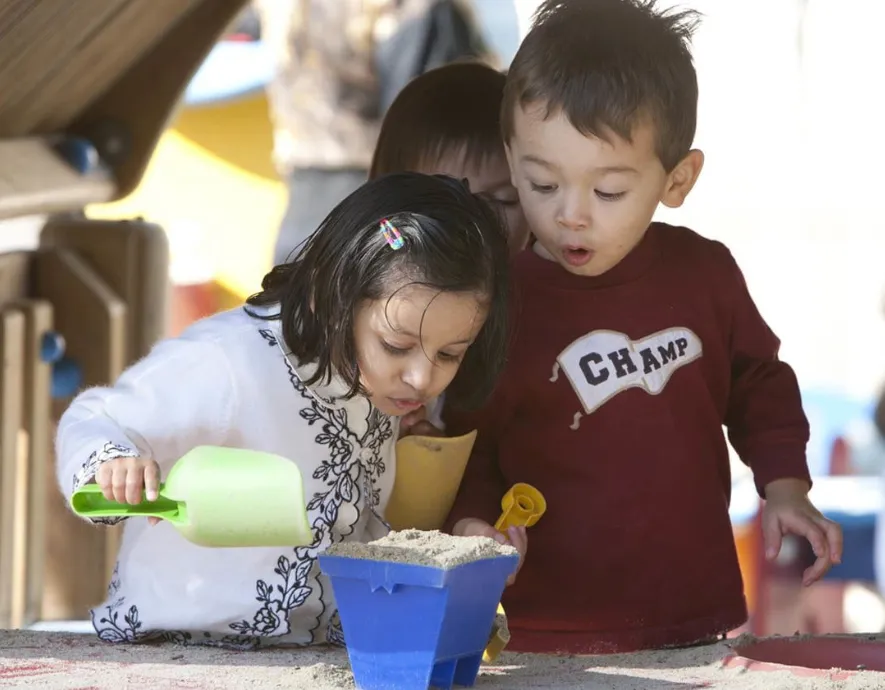
If there’s one thing most parents agree on, it’s this: we want our kids to grow into kind, thoughtful humans who look out for others. But between school runs, work, chores, and the endless to-do list, it can be hard to create those meaningful teaching moments. Helping your kids understand empathy, generosity, and responsibility doesn’t have to involve big gestures or perfectly curated lessons — sometimes, it starts with something as simple as making a donation together or noticing small opportunities to be helpful in everyday life.
Kids learn most by watching how the adults around them behave. When they see you taking small, intentional actions to support others, they begin to understand what generosity really looks like in practice. This guide offers practical ways to teach kids kindness and make helping others part of everyday life.
Why Teaching Kindness Matters More Than Ever
Children today grow up in a world where distractions compete for their attention every minute. Screens, fast-paced routines, and tightly structured schedules leave little room for the slow, thoughtful moments where empathy is built. That’s why teaching kindness has become more important — and more powerful.
Here’s why developing this value early makes such a difference:
1. It builds emotional intelligence
Understanding how others feel helps kids navigate friendships, problem-solving, and conflict with more maturity.
2. It strengthens resilience
Kids who know how to support others tend to be better at managing their own emotions — they see helping as a two-way street.
3. It creates a sense of belonging
Generosity helps children feel part of something bigger than themselves, whether it’s a classroom, neighbourhood, or community.
4. It shapes lifelong habits
The earlier a value is introduced, the more naturally it becomes part of who they are.
Start With Small, Everyday Acts
Teaching kindness doesn’t require long conversations or life-changing events. In fact, small and consistent actions often have the biggest impact.
Here are simple habits children can easily understand and copy:
- Holding the door open for someone
- Offering help when someone is struggling
- Sharing with siblings or classmates
- Checking in on a friend who’s having a hard day
- Saying “thank you” to people who serve them (teachers, waitstaff, bus drivers)
- Helping pack groceries or tidy up
- Writing a kind note to someone
These small behaviours accumulate and teach children that helping others is just a natural part of everyday life.
Use Real-Life Examples they Can Relate to
Kids understand concepts best when they can see them in action. Stories and examples make generosity feel real and relevant.
Try:
- Talking about someone in your street who might need help
- Sharing child-friendly stories where characters learn to be helpful
- Pointing out acts of kindness you see when you’re out
- Showing them how community groups make a difference
- Discussing times when someone helped them
Linking kindness to situations they recognise helps children understand that helping isn’t abstract — it’s something anyone can do.
Make Helping Others a Family Habit
Kids love rituals. When kindness becomes part of your family rhythm, it feels natural rather than forced.
Consider integrating small traditions like:
- Choosing one simple good deed each week
- Donating items during spring cleaning
- Helping a neighbour with their garden
- Baking something to share with someone going through a tough time
- Picking up rubbish during a family walk
These activities create shared meaning and show kids that generosity doesn’t require much time — just intention.
Give Kids a Voice in the Process
Children are far more motivated to help when they feel included in the decision-making.
Ask questions such as:
- “Who do you think could use some help this week?”
- “What’s one nice thing you want to do for somebody today?”
- “How do you think that made them feel?”
- “What would you like to give, share, or do to help someone else?”
Letting your kids choose amplifies their sense of ownership, confidence, and empathy.
Show Them Giving Doesn’t Have to Be Big
Many children assume “helping” means big, dramatic gestures — but real generosity often comes from small, thoughtful actions.
Remind them that:
- Smiles make people feel seen
- Small efforts add up
- Time can be more valuable than money
- Everyone has something to offer
- Helping isn’t about perfection — it’s about intention
When kids see that anyone can make a difference, they begin to view themselves as capable contributors.
Explain Why Communities Need Us
Kids are naturally curious, so keep your explanations simple but meaningful.
You might say:
- “Everyone needs help sometimes.”
- “When we all look out for each other, everyone feels safer and happier.”
- “Giving a little can make someone’s day a lot better.”
Helping them understand the “why” behind generosity gives the value more depth and meaning.
Create Opportunities for Kids to Experience Helping First-Hand
Nothing teaches generosity more powerfully than doing it themselves.
Your child could:
- Make cards for people in aged-care homes
- Help cook a meal for someone recovering from illness
- Sort toys they’ve outgrown for families in need
- Assist at a local event
- Contribute to school charity activities
Direct participation helps them feel proud, capable, and connected.
Busy Families Can Still Teach Generosity
You don’t need hours set aside for this. Even in the busiest families, you can teach kindness in less than a minute at a time.
Try:
- Highlighting positive behaviour when you catch them doing it
- Turning small errands into teachable moments
- Keeping a “kindness jar” of simple weekly ideas
- Sharing stories of helpers you admire
- Encouraging them to notice people around them
Being busy doesn’t prevent generosity — it simply shapes how you deliver it.
Helping Others Helps Kids Grow
Raising children who care about others is one of the most meaningful gifts you can give them. It helps shape their confidence, emotional intelligence, and the way they move through the world.
And you don’t need grand gestures or perfect timing to teach these lessons. Just small, consistent actions, honest conversations, and opportunities for them to see kindness in motion.
Kids don’t learn generosity by being told — they learn it by seeing, feeling, and practising it alongside the adults they trust most.
