
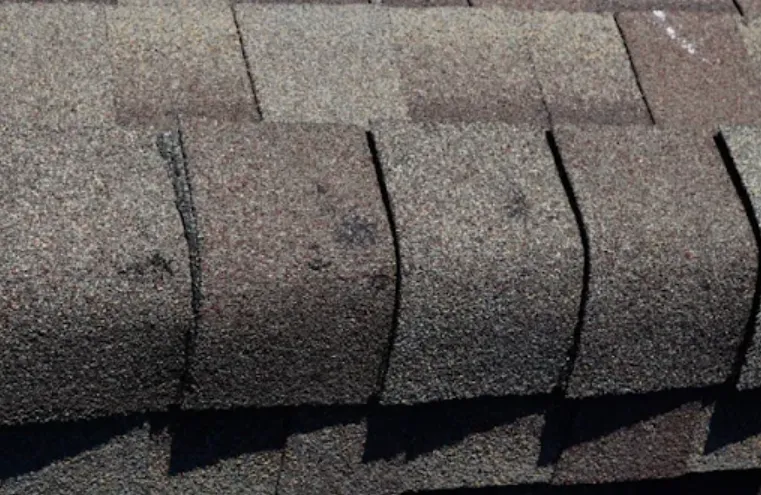
When the summer sun starts beating down on your roof, you might notice some strange bubbles or pockets forming under the surface of your coating. These are known as blisters. They are frustrating to see because they usually mean something went wrong during the application or that your roof is dealing with trapped moisture. If you happen to be worried about these bumps, calling a roof repair mountain green inspector can give you the clarity you need to move forward. Most of the time, blistering is a sign that your roof is gasping for air or trying to push out something that shouldn’t be there. Understanding why this happens can help you prevent it from ruining your investment.
Trapped Moisture and the Greenhouse Effect
The biggest enemy of a smooth roof coating is water. Even a tiny amount of moisture trapped under the membrane can cause huge problems when the temperature rises. During the cooler morning hours, that moisture sits quietly. But as the afternoon sun heats the roof surface, that liquid water turns into water vapor.
Since the coating is designed to be a solid barrier, the steam has nowhere to go. It expands and pushes upward, creating a bubble. Think of it like a pot of boiling water with a lid on top. If the steam cannot escape, it builds pressure. On a roof, that pressure manifests as a blister. If you live in an area with high humidity, this risk is even greater because the air itself is heavy with wetness during the installation process.
Poor Surface Preparation
You cannot just slap a coating over a dirty roof and expect it to stay flat. If there is dust, oil, or old debris on the roof, the new coating will not bond correctly. These “weak spots” are the perfect places for blisters to start. When the roof expands and contracts in the heat, the coating pulls away from the surface in areas where the bond is weak.
Once a small gap opens up, air or moisture fills the void. As the sun warms the roof, that pocket of air expands and stretches the coating even further. This is why cleaning the roof surface is the most important part of the entire job. If the foundation is not perfect, the top layer will eventually fail.
Applying the Coating Too Thick
It might seem like a thicker layer of protection would be better, but that is not always the case with roof coatings. Most coatings need to cure, which is a process where liquids evaporate so the material can harden. If the coating is applied too heavily in one pass, the top layer dries quickly and creates a skin.
The material underneath is still wet and trying to release its own vapors. Because the top has already hardened into a skin, those vapors get trapped. They push up against the dry surface and create “solvent blisters.” This is why professionals usually apply coatings in multiple thin layers rather than one thick coat. It allows every level of the material to breathe and dry at the same pace.
Extreme Heat and Rapid Drying
The weather during the application matters just as much as the material itself. If you try to coat a roof in the middle of a record-breaking heatwave, the material might dry too fast. This is called “skinning over.” When the surface dries instantly due to high heat, it prevents the gases inside the coating from escaping naturally.
Warmer months are great for roofing because you avoid rain, but the intense UV rays can be a double-edged sword. If the roof surface is too hot to touch, it is probably too hot for a fresh coating. The material needs a steady, moderate temperature to settle into place and bond with the substrate without being shocked by extreme heat.
Incompatible Materials
Not every coating works with every roof type. If you put a silicone coating over a material it was not designed to stick to, you are going to see bubbles. Sometimes, the oils in an old asphalt roof will react with the chemicals in a new coating. This chemical reaction can create gases that push the coating away from the surface.
This is why a professional assessment is so important before starting the project. You have to make sure that the primer and the topcoat are designed to work together. If they fight each other, the result is almost always a series of blisters that will eventually pop and lead to leaks.
Final Word
Blisters might look like a minor cosmetic issue, but they often lead to bigger cracks and leaks if you ignore them. Whether the problem came from trapped dew or a rushed application on a hot day, it is better to fix it sooner rather than later. Getting a professional roof repair mountain green inspector to look at the damage will help you decide if you can just patch the bubbles or if you need a full redo. Taking care of your roof during the summer ensures it stays strong when the winter weather eventually rolls back around.
