
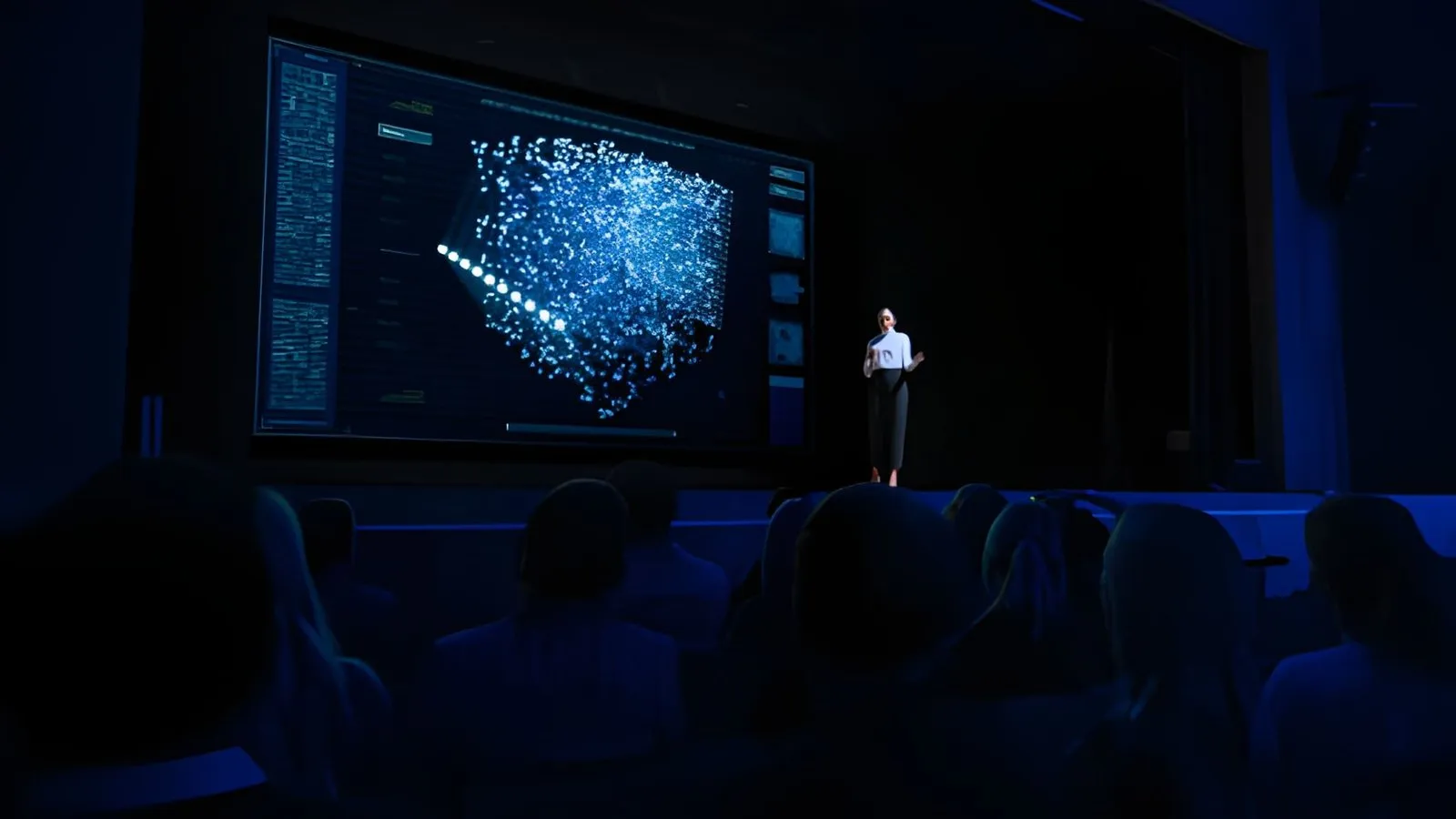
A live event succeeds when the audience feels connected to what is happening in front of them. Whether the setting is a corporate conference, product launch, awards ceremony, nonprofit gala, convention, or hybrid meeting, people rarely judge the experience based on content alone. They also respond to how clearly they can hear a speaker, how easily they can see visual content, how lighting directs their attention, and how smoothly remote participants are brought into the experience.
That is where audiovisual technology becomes part of the event itself rather than simply a collection of equipment behind the scenes.
Organizations working with an experienced Megahertz production av rental company or another professional AV production partner are increasingly looking beyond basic microphones and projectors. Modern event technology is now designed around engagement: keeping people attentive, improving communication, creating memorable moments, and connecting audiences across both physical and digital environments.
Understanding how AV technology influences audience behavior can help event planners make better production decisions and create experiences that feel intentional from the moment attendees enter the venue.
AV Technology Is Part of the Audience Experience
At one time, event audiovisual production was often treated as a technical requirement. A microphone had to make the presenter louder. A projector had to display slides. A few lights had to illuminate the stage.
Today, the expectations are considerably higher.
Audiences are accustomed to high-quality video, polished digital presentations, immersive entertainment, and instant access to information. When they attend a live event, they bring those expectations with them.
Poor audio can make an important presentation difficult to follow. A screen that is too small can cause attendees in the back of the room to disengage. Flat lighting can make even an exciting keynote feel visually uninspiring.
Well-designed AV technology has the opposite effect.
The right combination of sound, video, lighting, staging, projection, LED displays, cameras, and content distribution creates an environment where information is easier to absorb and experiences are more enjoyable.
The technology may remain mostly invisible to attendees, but its impact is constantly being felt.
Clear Audio Keeps Audiences Focused
Sound is arguably the most important component of many live events.
An audience may tolerate simple visuals, but if attendees cannot clearly understand what a presenter is saying, engagement can decline almost immediately.
Professional event audio systems are designed to deliver consistent sound throughout a venue. That requires more than simply choosing powerful speakers.
Audio Coverage Matters
Every venue has different acoustic characteristics.
High ceilings, hard surfaces, unusual room shapes, balconies, curtains, audience size, and stage position can all influence the way sound travels.
Professional audio production considers these variables when determining:
- Speaker placement
- Speaker type
- Microphone selection
- Mixing requirements
- Signal distribution
- Volume levels
- Acoustic challenges
The objective is not to make the event as loud as possible. It is to make the audio intelligible, balanced, and comfortable everywhere in the audience area.
When attendees do not need to strain to hear, they can concentrate on the actual message.
Microphone Choice Affects Communication
Microphones also shape the way presenters interact with an audience.
A handheld wireless microphone may work well for audience Q&A sessions because it can move around the room. A lavalier microphone gives keynote speakers freedom to use their hands and move naturally around the stage. Headset microphones can provide consistent vocal clarity during energetic presentations.
The technology should support the format rather than restrict it.
When speakers feel comfortable and audiences hear every word clearly, communication becomes more natural.
Video Turns Information Into a Visual Experience
People process information differently. Some respond strongly to spoken explanations, while others understand ideas more easily through diagrams, demonstrations, videos, charts, or other visual material.
That makes event video technology an important engagement tool.
Modern event productions may use projection systems, large-format displays, LED video walls, confidence monitors, presentation screens, or combinations of multiple display technologies.
The goal is simple: make visual information accessible from every relevant viewing position.
Larger Displays Improve Visibility
Screen size should be determined by the audience and venue rather than by what equipment happens to be available.
A presentation that looks excellent on a laptop can become nearly impossible to read when displayed on an undersized screen in a large ballroom.
Large projection surfaces and LED video walls allow presentation content to become part of the environment. They can display speaker presentations, branding, video playback, live camera feeds, animations, social content, and event information.
When visual content is easy to see, attendees are more likely to remain engaged with the presentation.
IMAG Brings the Stage Closer
Image magnification, often called IMAG, uses live cameras to display presenters on large screens.
This technique is particularly valuable in larger venues.
Someone seated far from the stage may not be able to see a speaker’s facial expressions or gestures clearly. A properly produced live camera feed restores that connection.
Close-up shots allow attendees throughout the venue to experience subtle aspects of the presentation that might otherwise be lost.
The result is a more personal experience, even in a room with hundreds or thousands of people.
Lighting Directs Attention and Creates Atmosphere
Event lighting does far more than make a stage visible.
It influences where people look, how they perceive the environment, and even how energetic or intimate an event feels.
Consider the difference between entering a conference room illuminated entirely by standard overhead fixtures and entering the same room with carefully designed stage lighting, architectural uplighting, branded colors, and controlled visual focus.
The physical space has not changed, but the experience has.
Stage Lighting Creates Visual Hierarchy
Effective stage lighting tells the audience where to focus.
A keynote speaker can be visually separated from the background. Panelists can be evenly illuminated. Scenic elements can be highlighted. Lighting levels can change between presentations, performances, videos, and transitions.
This visual hierarchy reduces distractions and keeps attention centered on the most important part of the program.
Lighting Can Reinforce Event Identity
Lighting is also one of the most flexible tools for transforming a venue.
Color and movement can support an organization’s visual identity without requiring major physical modifications to the room.
A corporate event may use subtle brand colors throughout the venue, while an awards program may shift toward dramatic lighting during major announcements.
Because lighting can change instantly, the same room can support multiple moods throughout a single program.
LED Video Walls Are Expanding Creative Possibilities
LED display technology has become increasingly common in live event production because it provides flexibility that traditional projection cannot always offer.
An LED video wall can become a presentation screen, digital backdrop, scenic element, branding surface, or immersive visual environment.
Unlike projection, LED displays generate their own light. This can provide excellent brightness in venues where controlling ambient light is difficult.
More importantly, modular LED panels allow designers to think beyond the conventional rectangular screen.
Creative layouts can include wide panoramic displays, vertical columns, unusual aspect ratios, and multi-screen environments.
From an engagement perspective, this flexibility matters because visual content can become integrated into the overall stage design rather than appearing as an independent element placed beside it.
Event Staging Creates a Physical Focus Point
AV equipment does not exist separately from the physical stage.
Staging, scenic design, displays, lighting, speakers, cameras, and presenter positions all need to work together.
A well-designed stage provides the audience with a clear visual focal point while giving presenters enough space to communicate comfortably.
For conferences and corporate meetings, this may involve:
- Presentation stages
- Scenic backdrops
- Podiums
- LED walls
- Projection screens
- Confidence monitors
- Stage lighting
- Branded scenic elements
The arrangement influences sightlines throughout the venue.
If a screen is positioned too low, attendees may struggle to see it. If scenic elements block camera angles, livestream viewers may receive a compromised experience. If speakers are placed without considering video displays, they may interfere with visibility.
Integrated production planning helps prevent these problems.
Livestreaming Extends Engagement Beyond the Venue
Audience engagement no longer ends at the walls of a convention center, ballroom, theater, or conference venue.
Livestreaming and webcasting allow organizations to expand participation to people who cannot attend physically.
Remote viewers may include employees in different offices, international customers, association members, investors, students, partners, journalists, or members of the public.
However, simply pointing a camera at a stage does not necessarily create an engaging virtual event.
Remote Audiences Need Their Own Experience
A person sitting in the venue experiences much more than what appears on stage. They see the atmosphere of the room, hear audience reactions, watch speakers enter and exit, and interact with other attendees.
Remote viewers experience only what the production team chooses to show them.
That means livestreaming requires deliberate visual storytelling.
Multiple cameras can provide different perspectives. Presentation slides can be integrated directly into the broadcast. Lower-third graphics can identify speakers. Video playback can be inserted cleanly into the program. Audience shots can communicate energy from inside the venue.
Professional webcasting transforms the online experience from passive documentation into a produced broadcast.
Hybrid Events Require Two Engagement Strategies
Hybrid events introduce an additional challenge: creating meaningful experiences for both in-person and remote attendees.
These groups interact with the event differently.
An in-person attendee may naturally notice a speaker walking onto the stage. A remote viewer may need a camera transition or graphic to understand that something has changed.
Someone in the room can raise a hand during a Q&A session. A virtual participant may need a chat platform or moderated question system.
Successful hybrid AV production considers both perspectives.
This may involve integrating:
- Livestream platforms
- Video conferencing systems
- Remote presenters
- Audience microphones
- Presentation feeds
- Multiple cameras
- Chat or Q&A tools
- Recording systems
- Playback content
The best hybrid events do not treat the online audience as an afterthought. Instead, virtual participation becomes part of the production plan from the beginning.
Cameras Influence How Audiences Connect With Speakers
Cameras are often associated primarily with recording and livestreaming, but they can also improve engagement inside the physical venue.
When live camera feeds appear on venue screens, camera direction determines how the audience experiences the speaker.
A wide shot communicates scale and stage design. A medium shot shows body language. A close-up emphasizes expression and emotion.
Switching between these perspectives creates visual rhythm.
This is one reason multi-camera production is common for larger conferences, general sessions, and keynote presentations.
Rather than watching the same static view for an entire session, viewers receive a visual experience that changes naturally with the content.
AV Technology Can Make Presentations More Interactive
Audience engagement becomes stronger when attendees participate rather than simply observe.
Event technology can support interactive formats in several ways.
Live polling allows attendees to respond to questions from their phones and see results appear on screen. Digital Q&A tools allow participants to submit and vote on questions. Social media displays can incorporate approved posts into event visuals.
Presenters can also use multiple screens, video playback, interactive demonstrations, and real-time data to make complex information easier to explore.
These tools work best when they serve the content rather than becoming distractions.
Technology should make participation simpler. If an audience needs lengthy instructions just to interact with a presentation, the engagement tool can quickly have the opposite effect.
Production Quality Influences Perceived Credibility
Audiences may not consciously analyze every technical element of an event, but they notice the overall level of professionalism.
A microphone that repeatedly cuts out, delayed video playback, poorly formatted presentation content, or inconsistent lighting can interrupt the flow of a program.
Every interruption reminds attendees that something technical is happening behind the scenes.
When production operates smoothly, attention stays where it belongs: on the speakers, content, and experience.
This is especially important for corporate presentations, investor meetings, product announcements, educational programs, and conferences where communication and credibility are closely connected.
Production quality becomes part of the message.
Choosing AV Equipment Based on Engagement Goals
One of the most common mistakes in event planning is beginning with a list of equipment.
A more useful approach is to begin with the audience.
Ask what attendees need to experience.
Do they need to understand detailed presentation slides?
Do they need to see facial expressions from the back of a large ballroom?
Will remote viewers participate?
Will the audience ask questions?
Does the program include video playback?
Will presenters move around the stage?
Does the environment need to change between daytime educational sessions and an evening awards program?
Answers to these questions naturally lead to better AV decisions.
For example, a conference with detailed visual presentations may prioritize large displays and confidence monitors. An executive town hall may require microphones throughout the audience and a livestream for remote employees. A product launch may rely more heavily on dramatic lighting, video playback, scenic production, and large-format LED displays.
The technology follows the communication objective.
Renting AV Equipment Provides Production Flexibility
Different events have different technical requirements, which is one reason AV rental remains an important part of professional event production.
A small meeting may require a simple sound system and display. A large conference may need line-array audio, wireless microphones, projection, LED walls, lighting, staging, cameras, switching systems, recording, and livestream infrastructure.
Owning every possible piece of equipment would be impractical for many organizations.
AV rental allows production systems to be configured around the specific venue, audience size, content, and event format.
It also makes it easier to scale production between events.
Rather than forcing every program to use the same technical setup, organizers can select equipment based on what will create the best audience experience.
Technical Planning Should Begin Before Event Day
Audience engagement is often determined long before attendees enter the venue.
Technical planning helps identify challenges before they become visible.
An AV production team may evaluate room dimensions, ceiling height, power availability, loading access, internet connectivity, rigging points, lighting conditions, presentation requirements, stage dimensions, and audience layout.
For livestreamed events, internet connectivity becomes especially important. A reliable broadcast may require dedicated bandwidth, redundant connectivity, backup recording, and carefully planned signal paths.
Pre-production may also include reviewing presentation files, preparing playback content, testing remote speakers, creating graphics, programming lighting cues, and confirming technical schedules.
The more complex the event, the more valuable this preparation becomes.
The Best Event Technology Often Feels Invisible
There is an interesting paradox in audiovisual production.
The technology can be extensive, yet the audience should rarely be thinking about it.
Attendees should not wonder whether the microphone will work when the next speaker walks onto the stage. They should not notice a video switcher changing sources. They should not think about how the presentation appears simultaneously on screens in the venue and inside a livestream.
They should simply experience the event.
When AV systems are carefully planned and operated, technology becomes almost invisible while its impact becomes unmistakable.
Communication feels effortless.
Visual content feels integrated.
Transitions feel natural.
Remote viewers feel included.
The audience remains focused.
How AV Technology Will Continue to Change Live Events
Live event technology continues to evolve rapidly.
Higher-resolution displays, more efficient LED systems, advanced camera technology, real-time graphics, remote contribution tools, IP-based video infrastructure, AI-assisted production workflows, and interactive platforms are creating new possibilities for event producers.
At the same time, the fundamental objective remains unchanged.
Technology should help people connect.
A new display technology matters when it allows audiences to see content more clearly. A new livestreaming platform matters when it makes remote participation easier. A new audio system matters when it improves intelligibility throughout a challenging venue.
Innovation is most valuable when it improves the human experience rather than simply adding complexity.
Final Thoughts
Audience engagement at live events is shaped by hundreds of small decisions.
Some involve content and speakers. Others involve room layout, scheduling, or hospitality. But audiovisual technology connects many of these elements together.
Clear sound allows ideas to be understood. Large-format video makes information visible. Lighting focuses attention and creates atmosphere. Cameras help audiences connect with speakers. Livestreaming opens the experience to people beyond the venue. Thoughtful staging brings the physical and digital elements into one cohesive environment.
The most effective AV production does not compete with the event.
It supports it.
As live, virtual, and hybrid experiences continue to overlap, event organizers who think about technology from the audience’s perspective will be better positioned to create programs that are not only technically successful, but genuinely engaging and memorable.
